home I index I latest I glossary I introductions I e-mail I about this site
St Margaret, Wolterton
Read
the captions by hovering over the images, and click on them to
see them enlarged.
| St
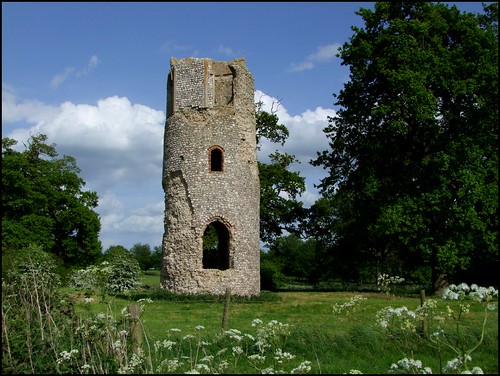
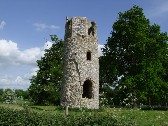
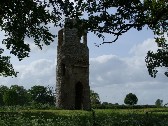
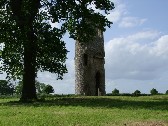
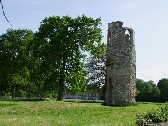
Margaret, Wolterton The idea was to take our bikes and stay in a B&B in north Norfolk, and spend a few days pottering about the country lanes, visiting churches, pubs and second-hand bookshops. As it turned out, a weekend of intermittent rain was correctly forecast, and some of it was spectacularly heavy. And so we abandoned the bikes idea, although not the churches, pubs and bookshops of course. In the event there was as much bright sunshine as there was heavy rain, and the best of it was here. As we approached along the narrow lanes from Wickmere the sky began to clear, and as we entered the park the sun came out and the landscape was beautiful, a deep rich green which only mid-May in East Anglia can ever provide. Anyone who knows this part of Norfolk will remember the narrowness of the lanes, the remoteness of the villages: and yet, again and again, there are these huge parks, the domains of great country houses, in which I always imagine Betjeman's clocks ticking over thick carpets with a deadened force. Wolterton Hall was built in the 1730s for Horatio Walpole, who was Sir Robert Walpole's brother. A branch of the Walpole family still lives here. Lord Walpole himself lives at Mannington, and is a churchwarden of neighbouring Itteringham. This was the last medieval church in north Norfolk that I still needed to visit, and so it was with some excitement that we drove along the straight road across the park, the cheerful, watchful cows tilting their heads to see us pass. One field near the House has been turned into a car park, but its flat greenness was completely empty - we were the only people in Wolterton Hall Park that day. It isn't far along the walks to the north of the House before you reach the site of St Margaret, the former parish church of Wolterton, a spiritual touchstone down the long generations to Wolterton men and women of centuries past. The date of St Margaret's dereliction is a revealing one. Pevsner notes that the living was consolidated with that of Wickmere in 1737 - that is to say, the construction of the Hall involved moving a village which was in the way. The houses were demolished, but the tower was left as a 'view' from the house, which is surprisingly close. On the occasion of my visit a sign asked me not to approach the ruin too closely, although I've since been told that you can now get as close to it as you like
|
Simon Knott, July 2009
Amazon commission helps cover the running costs of this site.
home I index I latest I introductions I e-mail I about
this site I glossary
Norwich I ruined churches I desktop backgrounds I round tower churches
links I small
print I www.simonknott.co.uk I www.suffolkchurches.co.uk