home I index I latest I glossary I introductions I e-mail I about this site
St Mary Wimbotsham



Follow these journeys as they happen at Last Of England Twitter.
| St Mary
Wimbotsham This
church was destroyed by fire on the morning of 4th
September 2019, bringing to an end a delightful example
of a typical rural 19th Century restoration. This page
will remain as a legacy until such a time as the newly
restored church at Wimbotsham rises from the ashes.
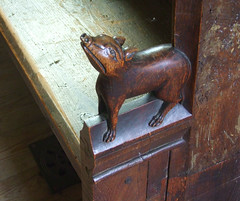
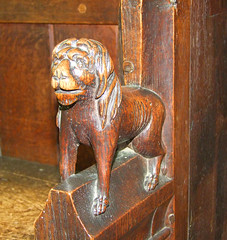
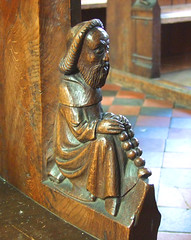
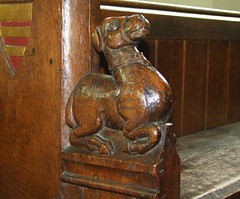
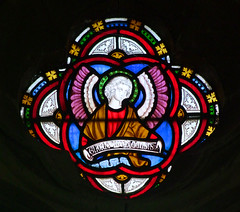
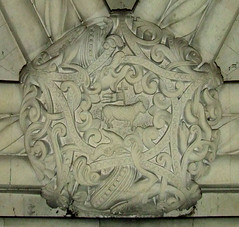
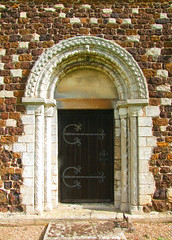
High up on the apse was a boss of the Lamb of God, very much in the 14th century style and similar to those in the vaulting at Wymondham Abbey. Whilst the 1850s glass of evangelistic symbols was unobstrusive, the stone pulpit was perhaps a little awkward, detracting as it did from the intriguing roodloft stairs, which rise up from a window embrasure through the thickness of the Norman walls. Echoing it, across the nave was an impressive piscina. Was it old, or the product of a fairly severe 19th century recutting? Or even an entirely 19th Century original? After all, as the crossing and the bench ends show, the Victorians were extremely clever here at Wimbotsham, and perhaps the only thing we could really have been sure of was the simple and pleasant beauty of a well-loved and cared-for space. Simon Knott, September 2019 Follow these journeys as they happen at Last Of England Twitter.
|
|
|||||||||||||||||||||||||||||||||||||||||||||||||||||||
|
|||||||||||||||||||||||||||||||||||||||||||||||||||||||
home I index I latest I introductions I e-mail I about
this site I glossary
Norwich I ruined churches I desktop backgrounds I round tower churches
links I small
print I www.simonknott.co.uk I www.suffolkchurches.co.uk