home I index I latest I glossary I introductions I e-mail I about this site
St Peter and St Paul, West Newton
Follow these journeys as they happen at Last Of England Twitter.
St Peter
and St Paul, West Newton
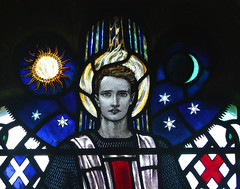
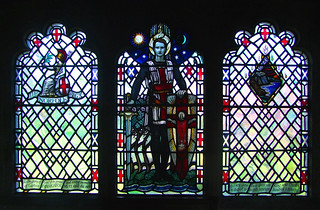
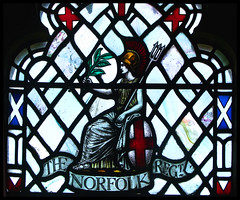
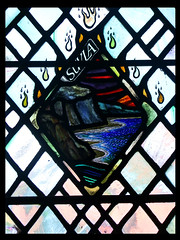
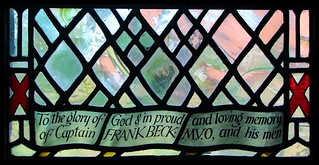
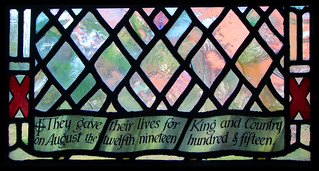
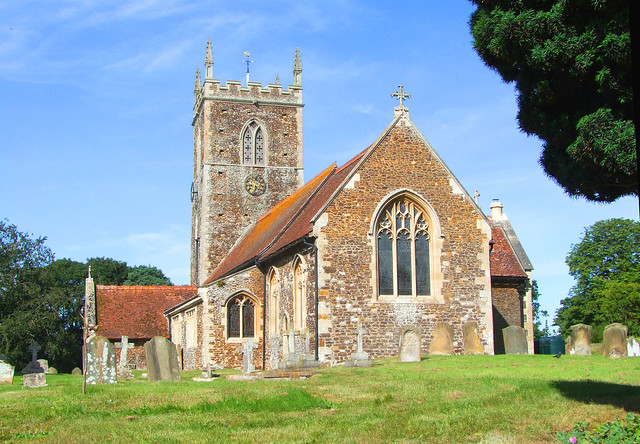
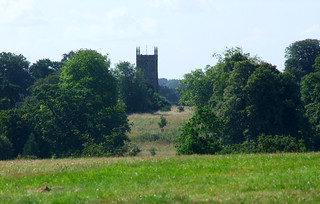
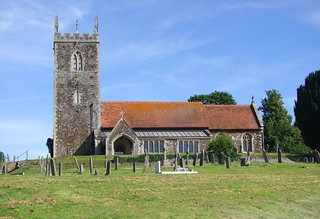
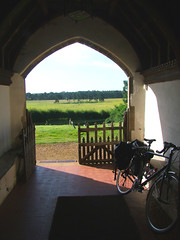
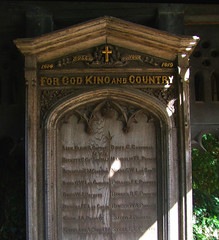
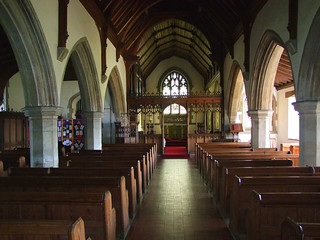
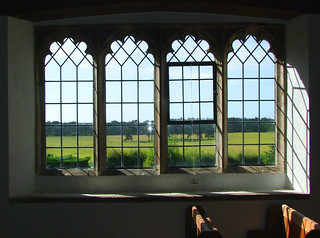
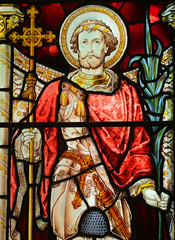
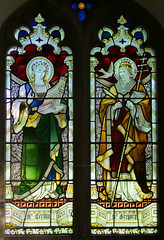
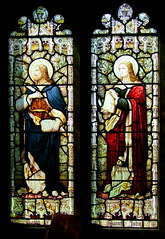
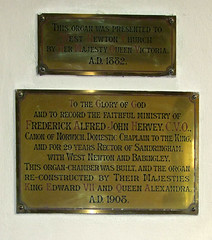
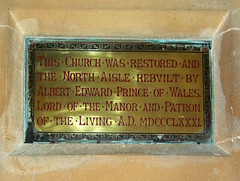
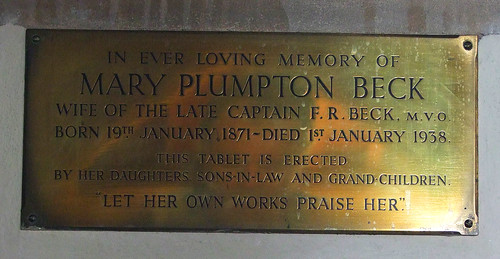
And coming back ten years later felt like a privilege too. Nothing much had changed, the church still on the crest of its cushion of a churchyard, still open. The lychgate is a memorial to the dead of the First World War, many of them killed on the same day. The name of Captain Frank Beck stands out. Beck was the land agent on the Sandringham estate, the trusted right hand man of King George V and a favourite of his mother Queen Alexandra. Despite the King's protestations, the patriotic Beck formed a 'pals company' of men from the estate who were attached to the 5th Battalion of the Norfolk Regiment. They sailed for Gallipolli, and they were wiped out during the attack on Anafarta in Suvla Bay on the 12th of August 1915. Because they had fallen behind enemy lines, they were listed as missing, and a local legend grew up that they had vanished into a mysterious cloud and were taken up out of this world. This sounds bizarre, but it was of a piece with legends like the Angel of Mons leading the British troops to escape death in Flanders, and with the great rise in spiritualism in this country in the years immediately after the War. Perhaps it was the dust and heat of that day which gave rise to the legend. When the bodies were eventually found and identified, this knowledge was kept from Queen Alexandra because it was felt it would be too upsetting for her, and thus she died believing in the legend. In 1999, the story of Beck and his company was dramatised by the BBC as All The King's Men, a horribly appropriate title. Beck was played by David Jason. Through the lychgate, you come onto the wide mound of the churchyard. The 14th century tower of the church is grand and stately, and its solid carstone with freestone corners looks as if it might be made of gingerbread and icing. A beautiful contemporary image niche sits beside the west window. The body of the church is also carstone, built of blocks on the south side and in slipped layers on the north, as if this was a vast dry stone wall. You step into a small, simple, restored church. The churches of north-west Norfolk were in a pretty dreadful state by the middle of the 19th century. There are more ruined churches around here than anywhere else in England. The purchase of the Sandringham estate by the Prince of Wales revitalised the local economy, and his patronage led to some pretty substantial restorations, most of which were to a very high standard in terms of both design and construction. Few of the estate restorations were more substantial than that of West Newton. Apart from the tower, the church was almost completely rebuilt in 1880. The architect was, perhaps surprisingly, Arthur Blomfield, who we rarely see on such an intricate scale in East Anglia. He was working at Sandringham church at the same time.
|
Simon Knott, November 2017
Follow these journeys as they happen at Last Of England Twitter.
 <
<
|
|||||||||||||||||||||||||||||||||||||||||||||||||||||
home I index I latest I introductions I e-mail I about
this site I glossary
Norwich I ruined churches I desktop backgrounds I round tower churches
links I small
print I www.simonknott.co.uk I www.suffolkchurches.co.uk