home I index I latest I glossary I introductions I e-mail I about this site
St Mary, Welney
Read
the captions by hovering over the images, and click on them to
see them enlarged.
| St Mary,
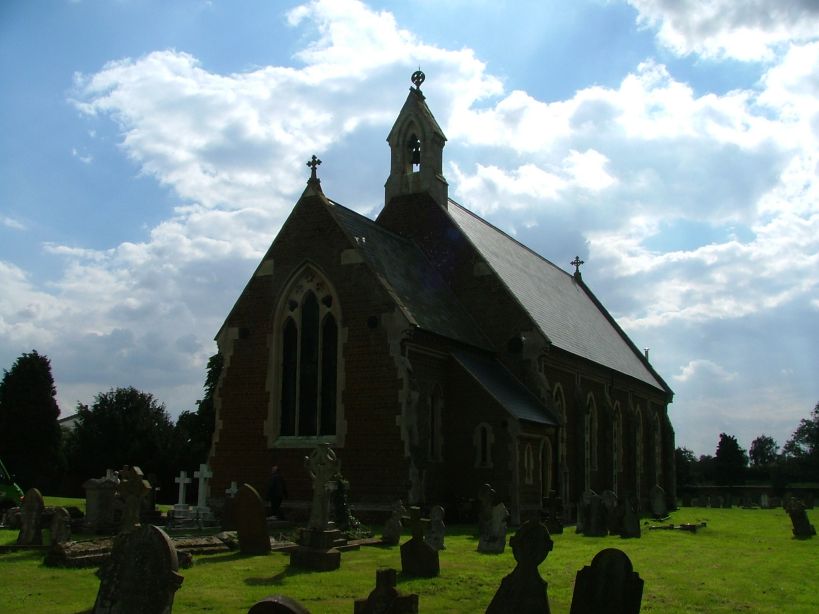
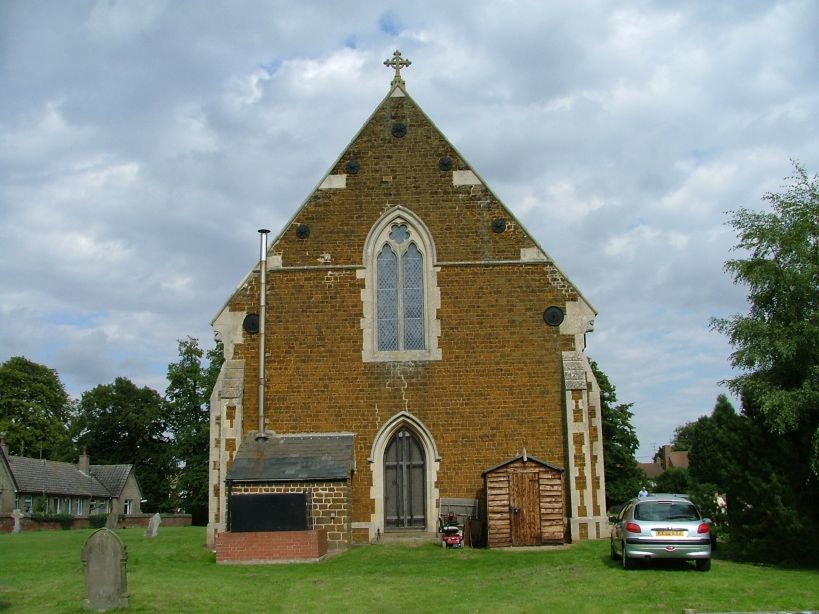
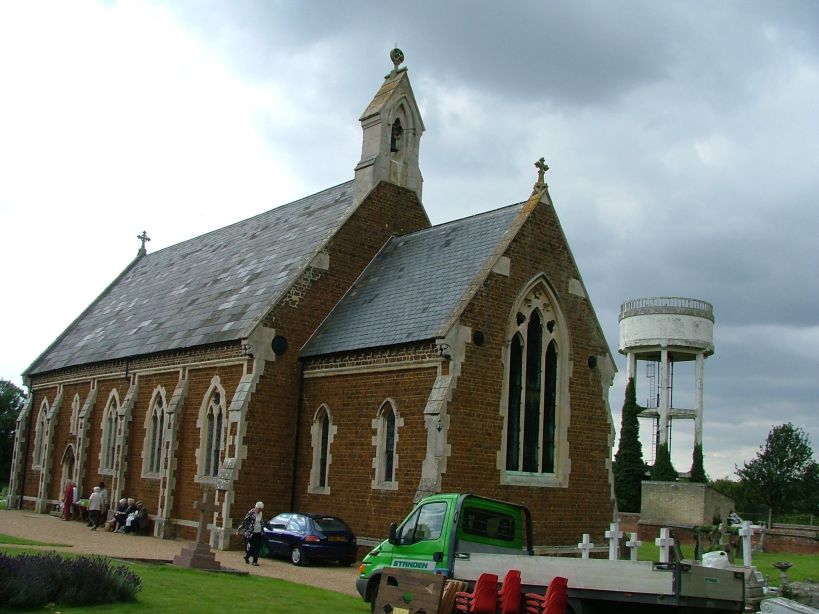
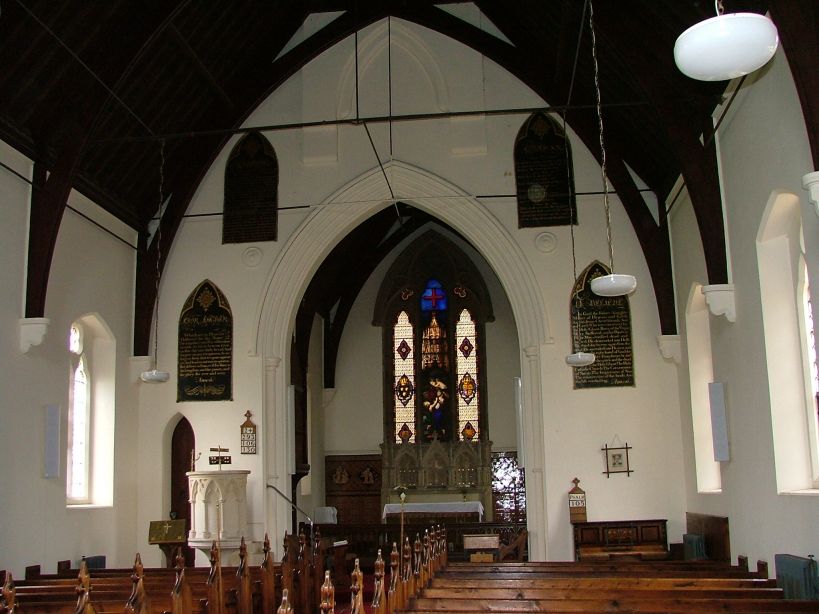
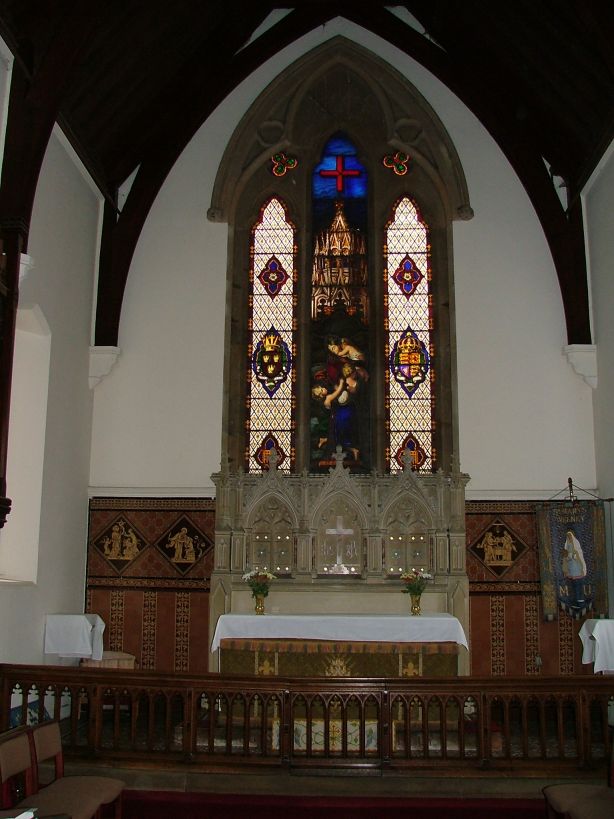
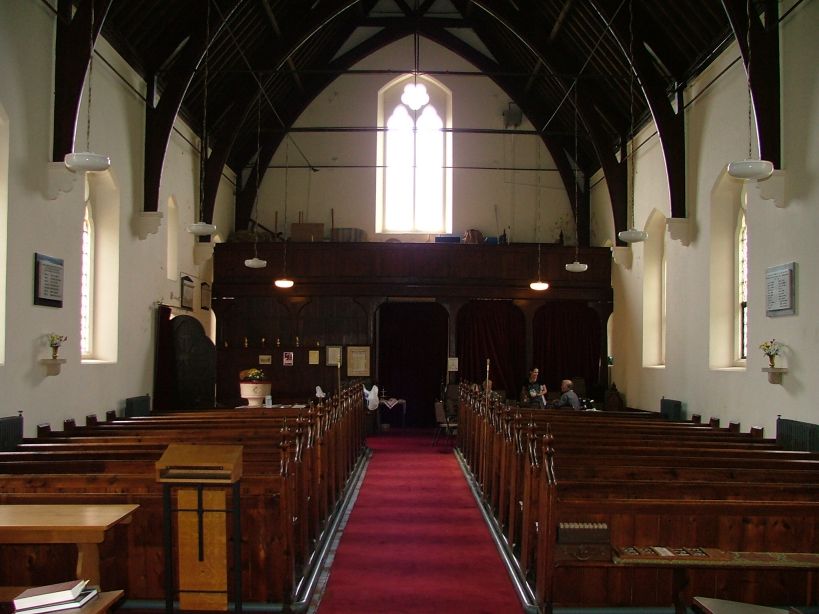
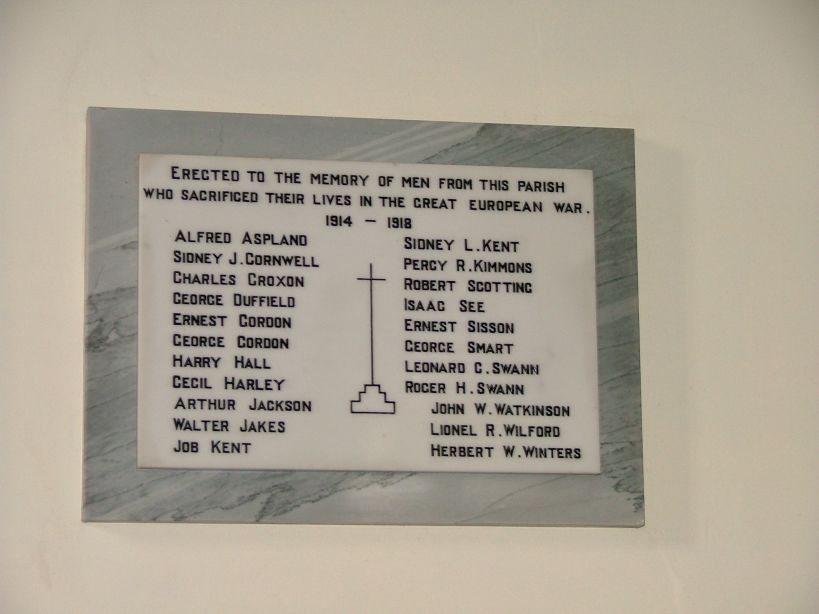
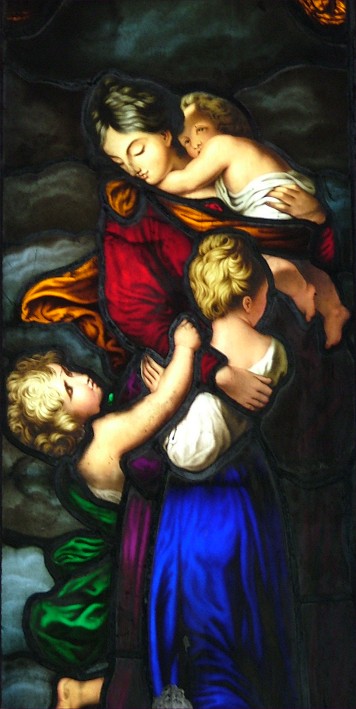
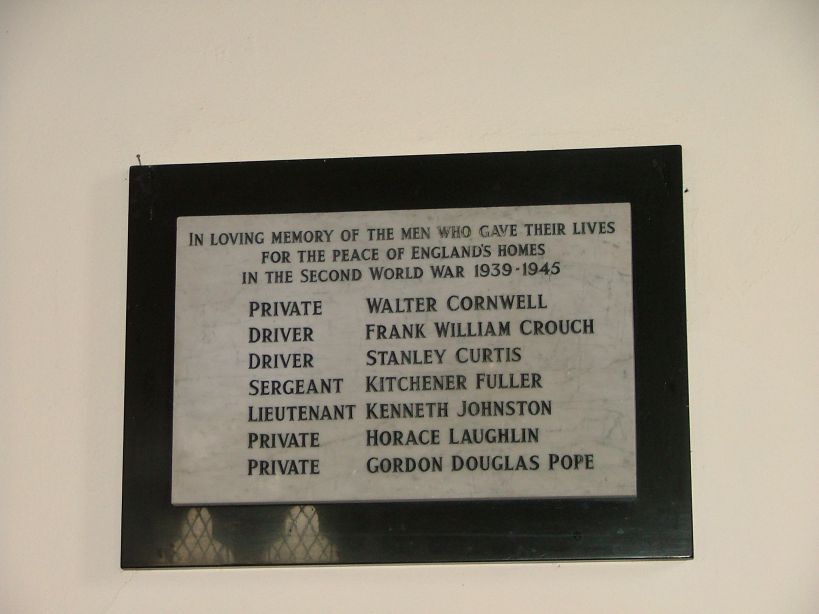
Welney On the edge of the Fen bleakness there are some pretty little villages, and Welney is one of them. That it is in Norfolk is a result of a Saxon bureaucrat's quill. Like Manea in Cambridgeshire and Market Deeping in Lincolnshire, these large villages look to the Fen first, and to their counties second. We came here on a Saturday in August, heading south from the bleakness of Marshland St James and Stow Bridge. Because of this, the civilisation of Welney came as a surprise, particularly as it was en fete, the bunting rippling in the trees along the churchyard edge. The church was full of life, and Peter and I were welcomed like long-lost sons. St Mary is the most remote of all Norfolk churches, being fully four miles from its nearest companion at Upwell; it is, of course, closer to some churches in Cambridgeshire. However, Welney is large enough to give the place an independent life, and this church, the 1848 work of JC Buckler, is a fine adornment to it. It sits in a long graveyard, surreally close to a water tower, and is the very perfection of west Norfolk coursed carstone, the most ambitious of all 19th century Norfolk churches in this medium. It has recently been reroofed, giving the exterior a crispness in the well-maintained graveyard. The inside is curious, because the church is sinking into the soft Fen soil, more on the south side than the north. As a consequence, the middle of the nave is a good 12 inches higher than the outer walls. The view east is of a delicious Victorian gothic extravaganza, Thomas Wilhurst's enamel painting of Joshua Reynold's Charity in the east window, a rich, tiled 1880s sanctuary below. Also painted are the imposing decalogue boards either side of the chancel arch that build to a pleasing if meaningless blind window surmounting the east end of the nave. Looking west, there is a fine gallery, which must be contemporary with the proto-ecclesiological east end, placing this building on the very cusp of the revival of medievalism in the 19th century. I had not been here since attending a wedding as a child, more than thirty years ago. On that occasion, no doubt bored and restless, I had daydreamed and sulked, and I cannot now remember much about it. But I noticed now what I had not noticed then; both war memorials, one for each war, feature someone with my mother's maiden name. If I had spotted this thirty years ago, there might still have been contemporaries alive who could have told me their stories. But now, of course, it is too late. Simon Knott, August 2005 |
Amazon commission helps cover the running costs of this site.
home I index I latest I introductions I e-mail I about this site I glossary
links I small
print I www.simonknott.co.uk I www.suffolkchurches.co.uk
ruined churches I desktop backgrounds I round tower churches