home I index I latest I glossary I introductions I e-mail I about this site
St Peter Hungate, Norwich
Read
the captions by hovering over the images, and click on them to
see them enlarged.
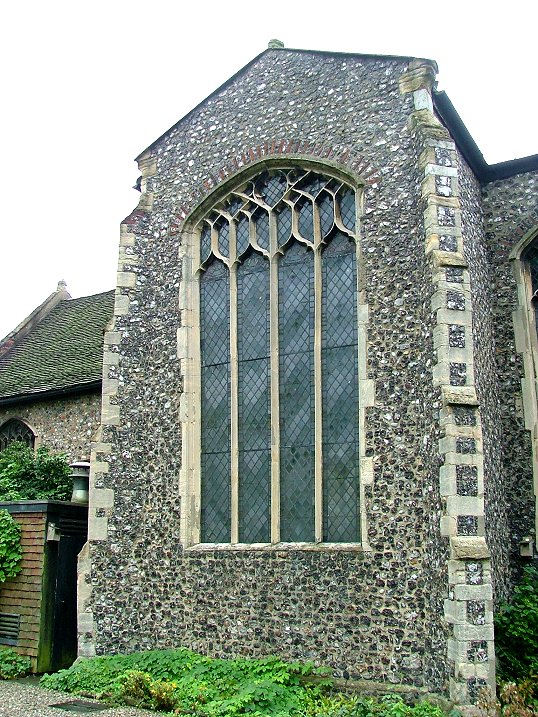
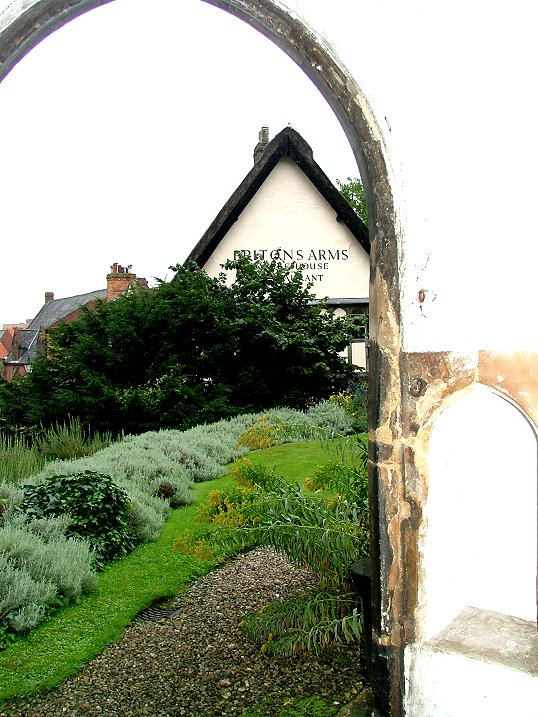
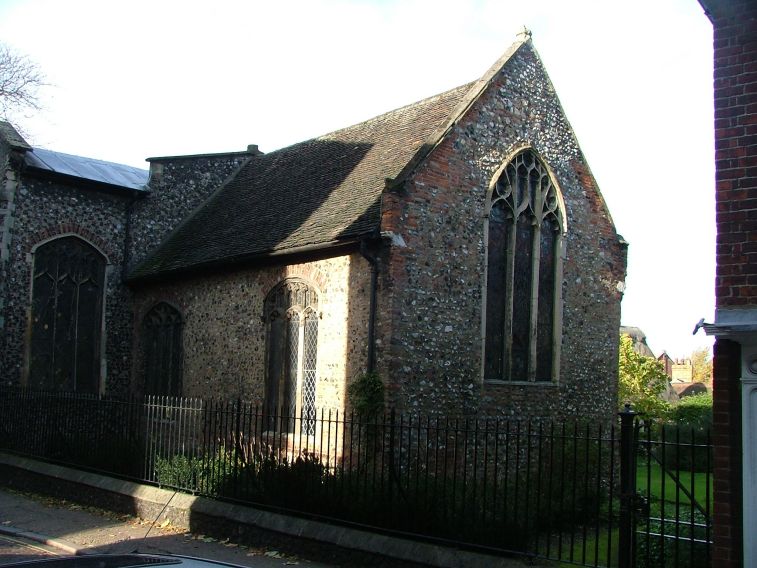
St Peter
Hungate, Norwich
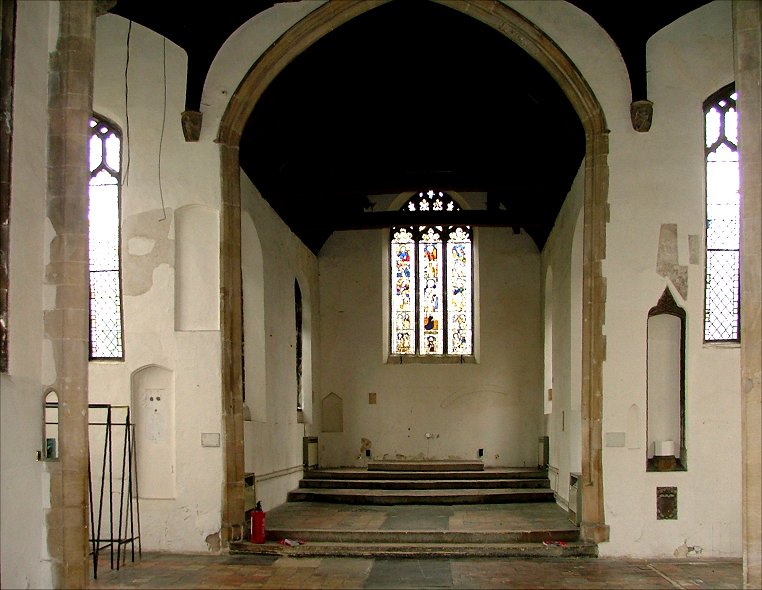
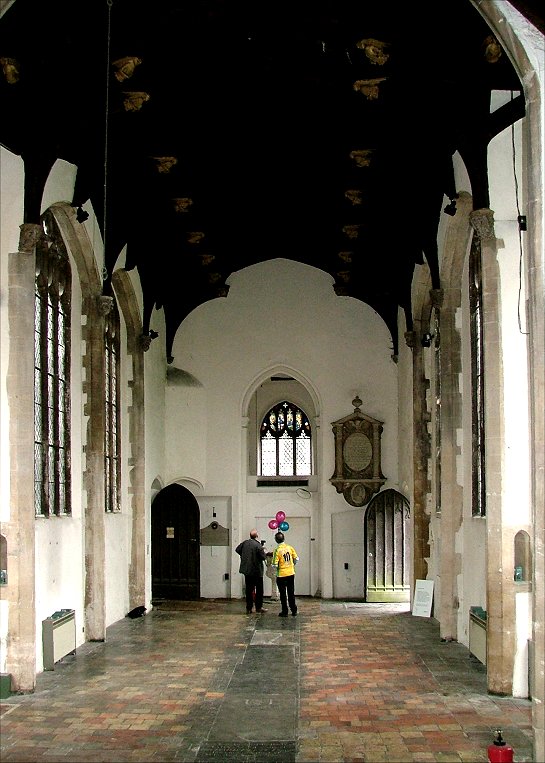
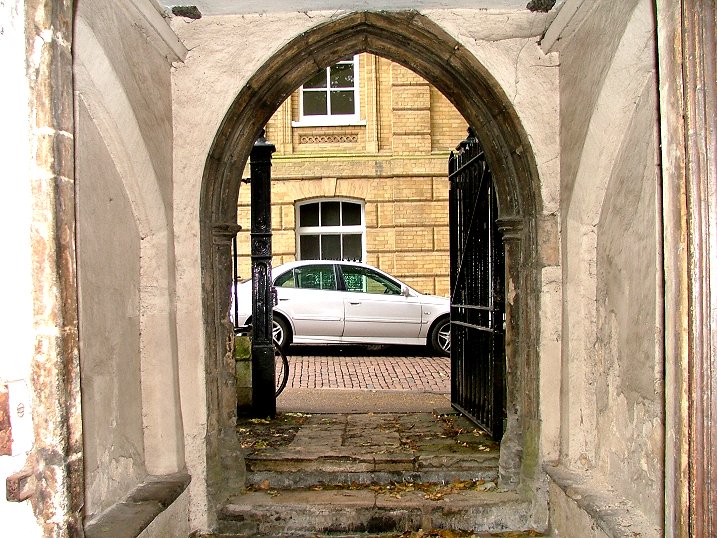
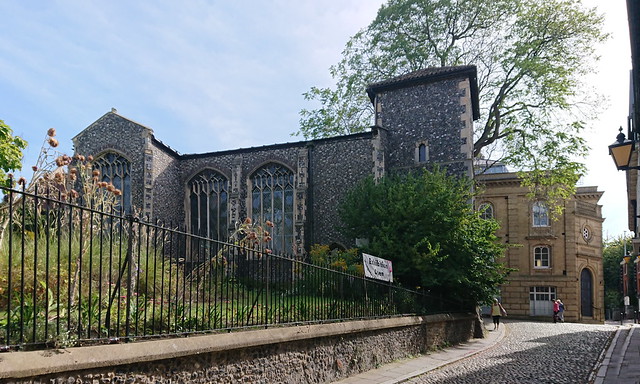
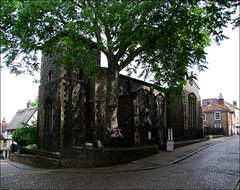
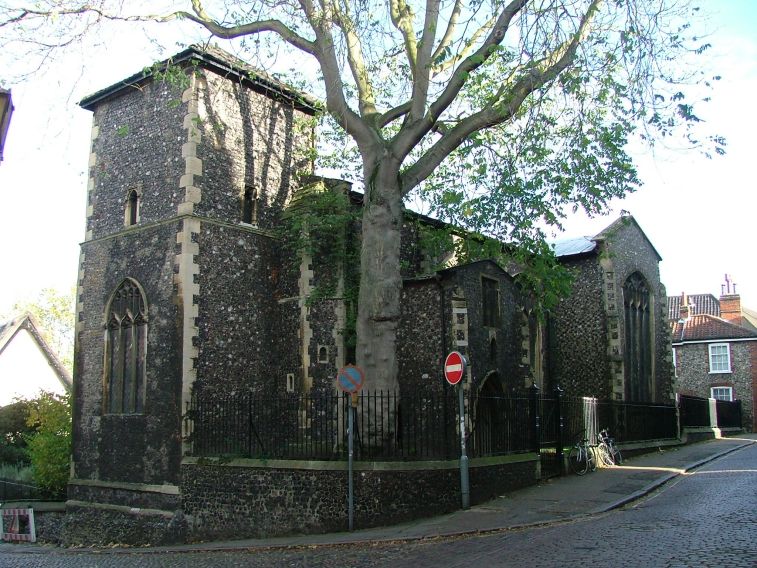
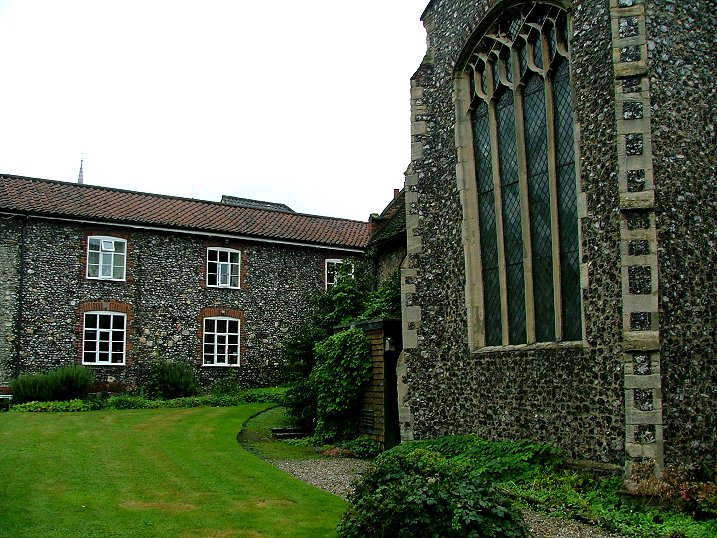
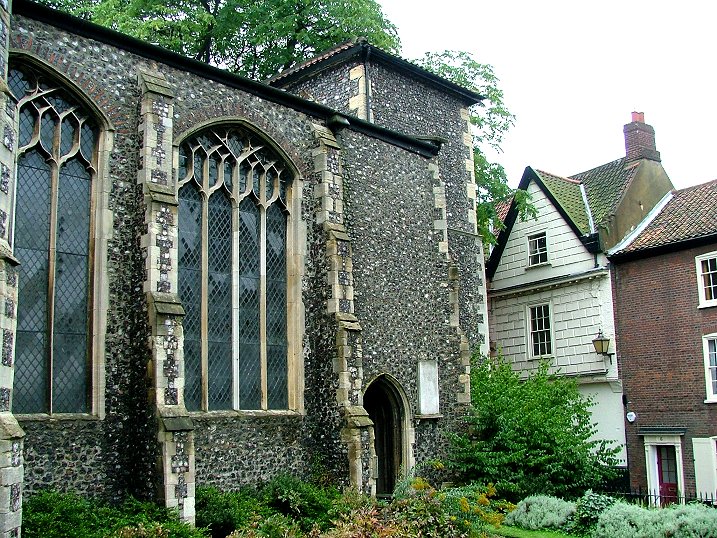
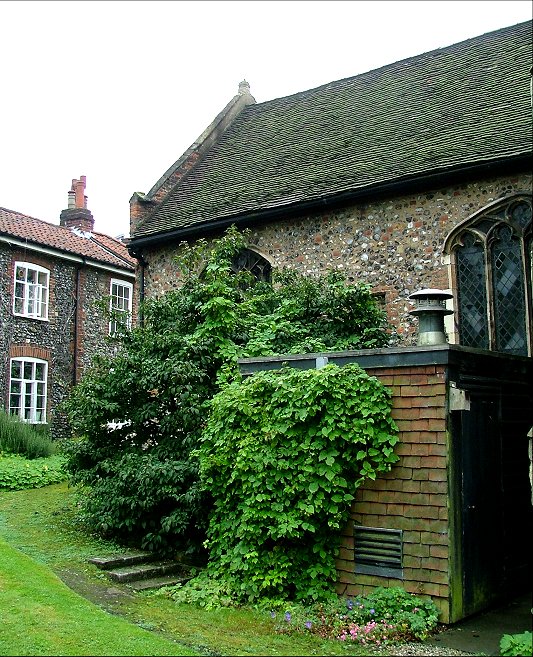
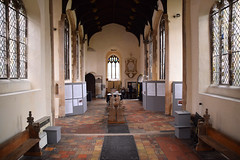
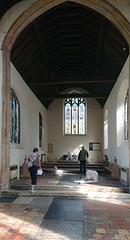
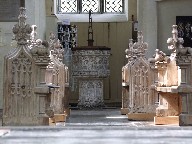
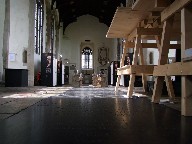
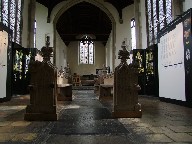
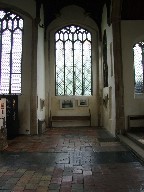
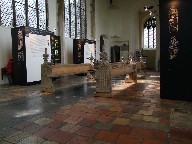
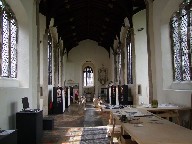
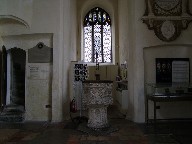
In the 19th century, St Peter Hungate was one of the highest of Norwich's many Anglo-catholic churches; it was the first to use vestments, the first to use incense, the first to use candles on the altar. However, as with St Simon and St Jude at the other end of Elm Hill, St Peter has long been redundant, last being used as a church before the First World War. When, in the 1930s, the Norwich Society went on their pioneering crusade to save this area of the city, there was a renewal of interest in finding appropriate uses for the old churches, and in 1936 St Peter Hungate became a museum of church furnishings. The fixtures and fittings from other redundant churches were brought here for display, and the collection was augmented by items from the Norwich and Norfolk museums, as well as by other churches wanting to find a safe home for their treasures. It was a superb museum, the only one of its kind in England. From a church explorer's point of view, it was a priceless resource; you could read about things, and then go and see them in real life, all in one place: rood screens, bench ends, reredoses, corbels, pyxes and pyx cloths, all at first hand. St Peter Hungate Museum of Church Art lasted until the late 1990s, when a reorganisation of the museum service in Norwich killed it off. All the exhibits were removed, and most went into storage under the Castle. For nearly ten years, the building was completely empty, and can be seen as it was in 2005 in these photographs.
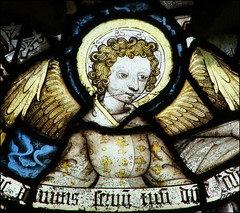
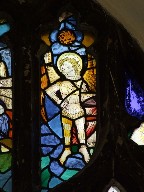
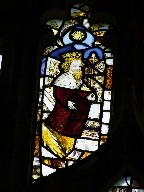
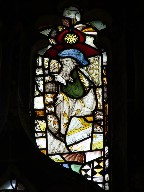
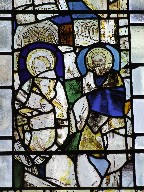
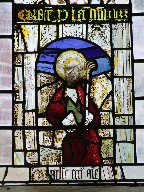
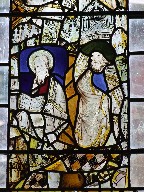
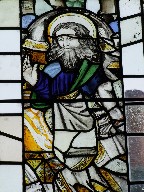
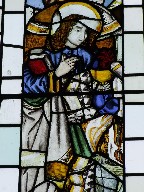
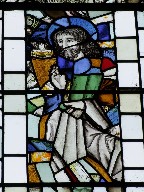
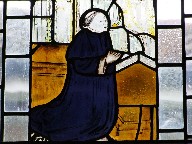
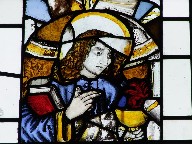
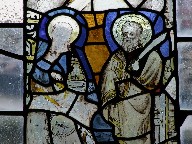
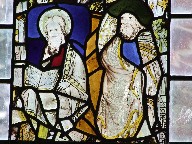
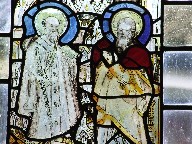
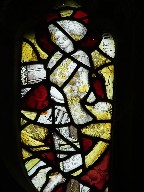
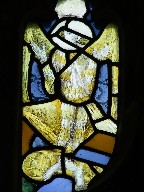
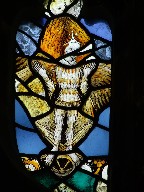
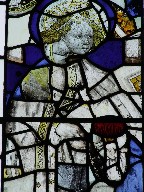
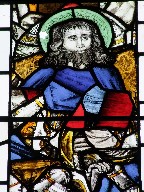
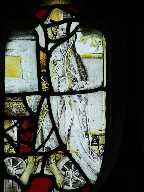
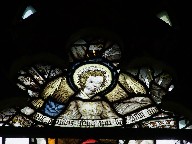
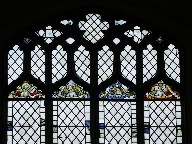
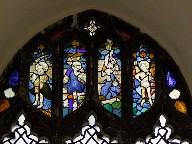
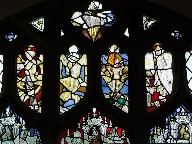
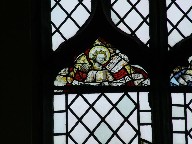
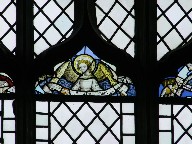
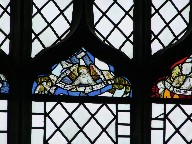
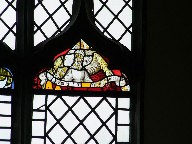
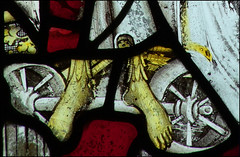
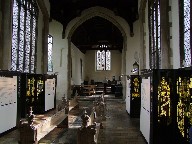
In 2006, a small group of people came together in an attempt to get Hungate open and in use again. Their plan was to use it as an interpretation centre for Norfolk's medieval heritage, with a particular emphasis on the medieval stained glass artists of the city of Norwich. St Peter Hungate is a good place to do this, as it has the best collection outside of the cathedral in the whole city. This glass, largely of the 15th century, is partly from St Peter Hungate originally, and partly a consequence of the medievalist enthusiasms of the 19th Century, when much was collected and brought here. It includes a sequence of the Order of Angels, other angels holding scrolls, the Evangelists, the Apostles, and much else besides. Here are some highlights.
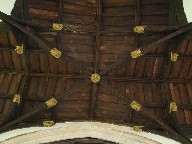
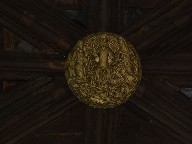
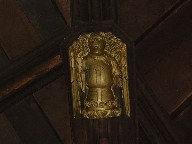
There are squints into the transepts, and image niches in the east walls of both; the south transept, which was a chapel for the guild of St John the Baptist, was the burial place of Sir John Paston. High above, the corbels to the roof are finely gilded; they depict the four evangelists, St Matthew, St Mark, St Luke and St John, and the four Latin Doctors of the Church, St Augustine, St Ambrose, St Gregory and St Jerome. This is the only known example of these eight Saints as roofpost stops. There is a central boss of Christ in Judgement.
Simon Knott, February 2011 (updated September 2019) |




Amazon commission helps cover the running costs of this site.
home I index I latest I introductions I e-mail I about
this site I glossary
Norwich I ruined churches I desktop backgrounds I round tower churches
links I small
print I www.simonknott.co.uk I www.suffolkchurches.co.uk