home I index I latest I glossary I introductions I e-mail I about this site
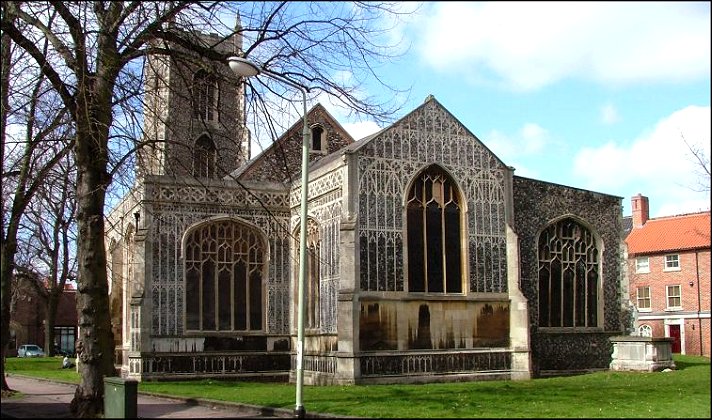
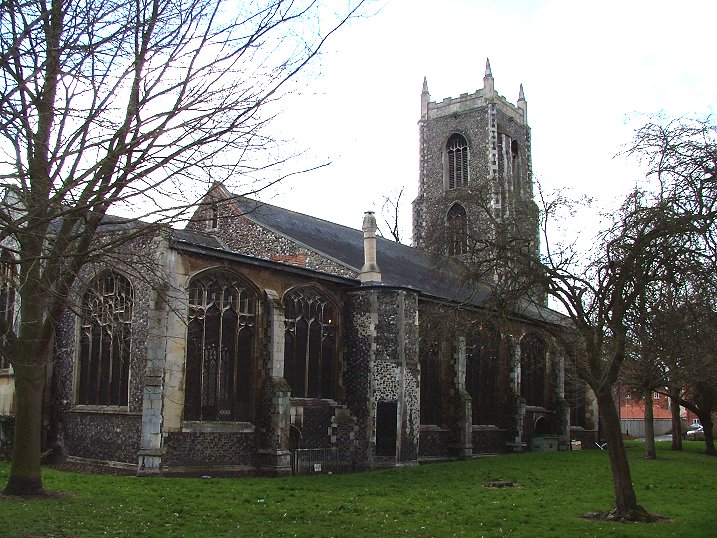
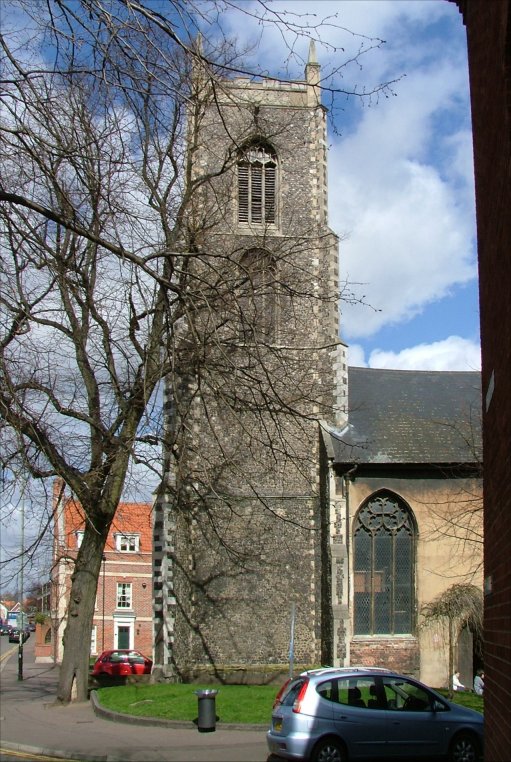
St Michael Coslany, Norwich
Read
the captions by hovering over the images, and click on them to
see them enlarged.
St
Michael Coslany, Norwich
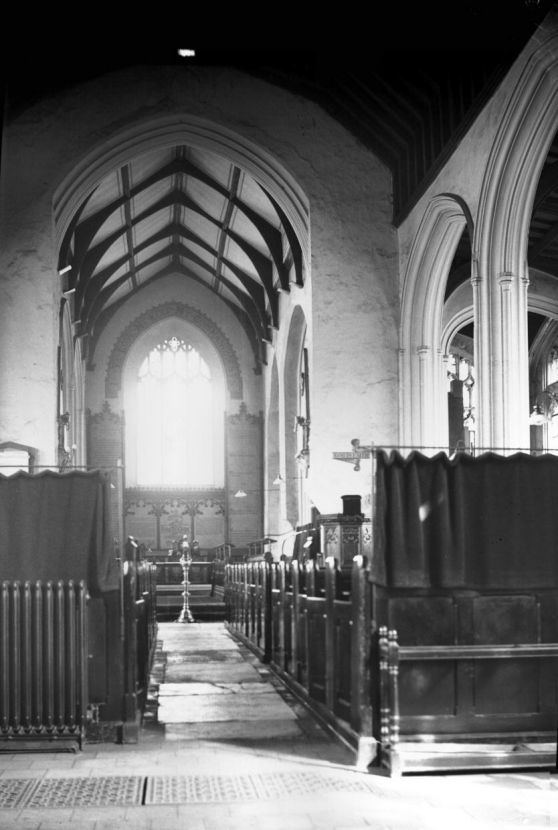
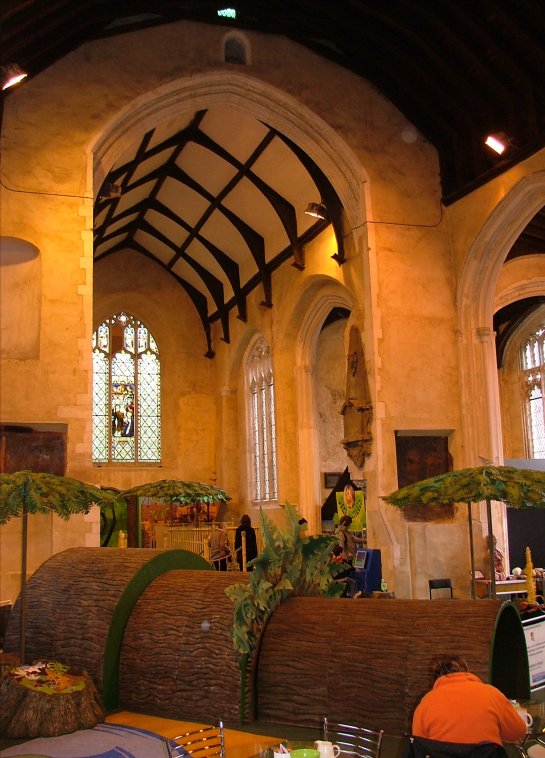
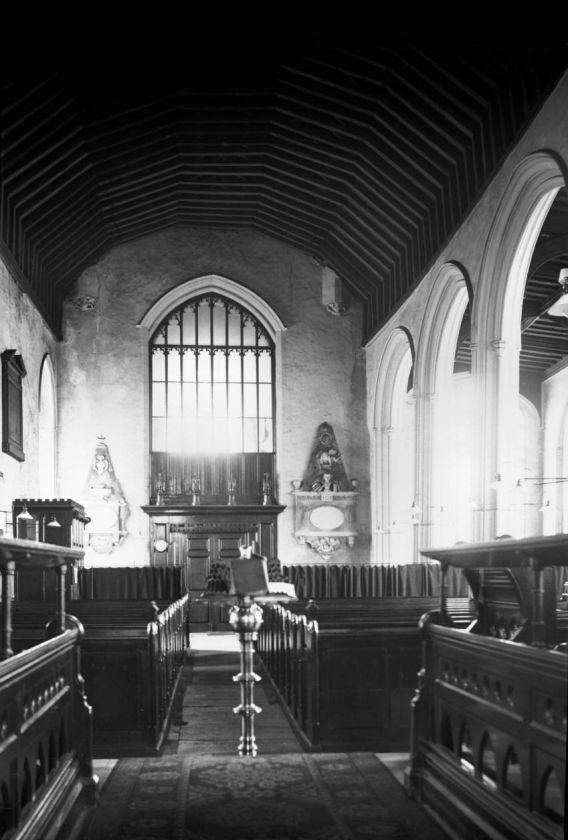
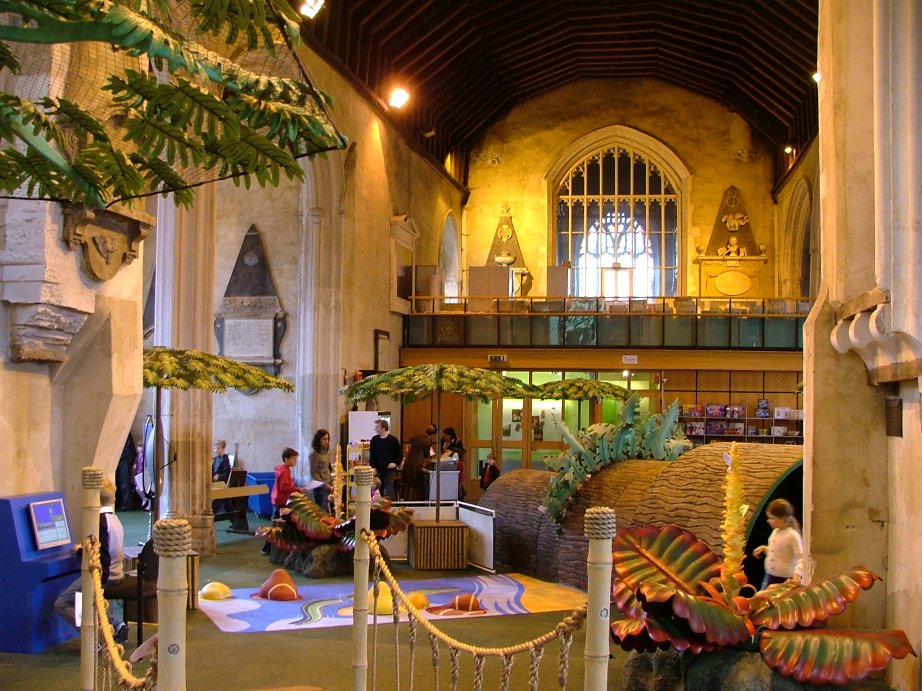
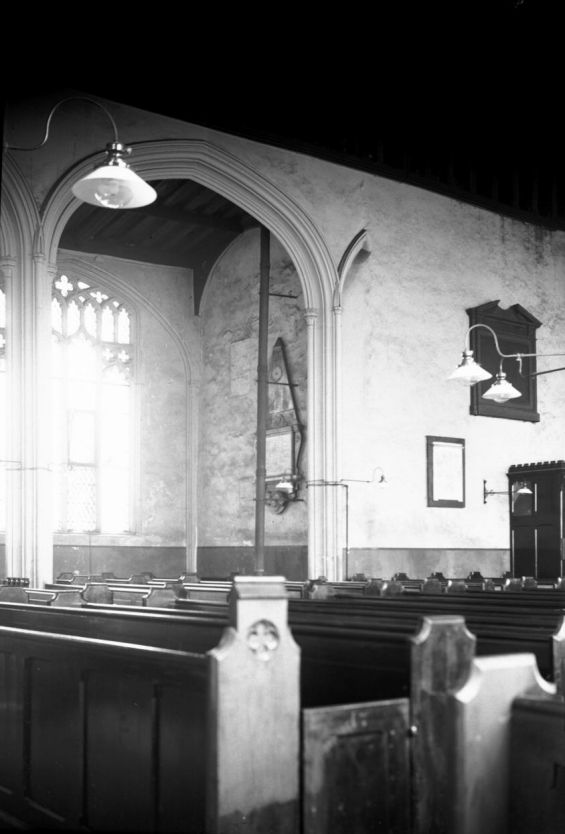
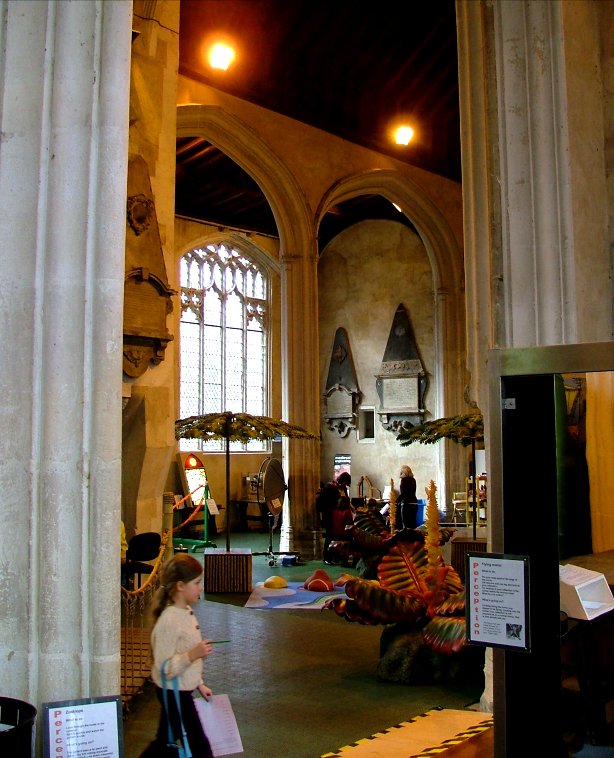
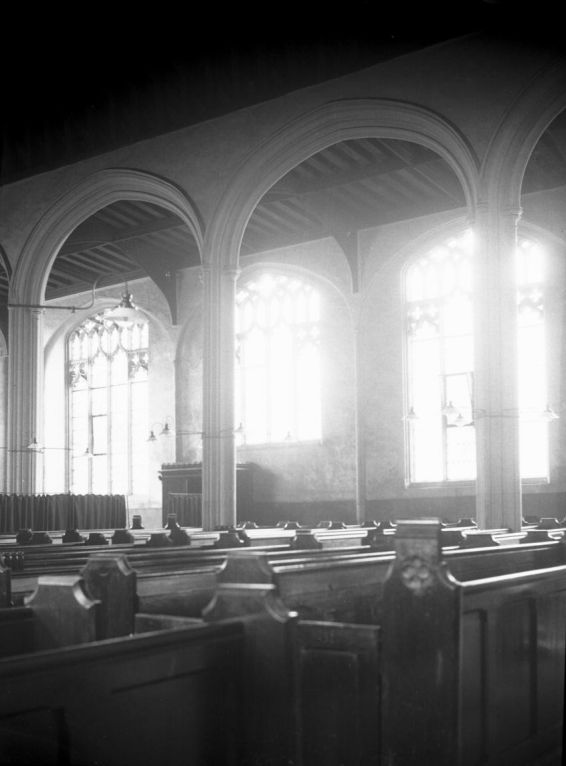
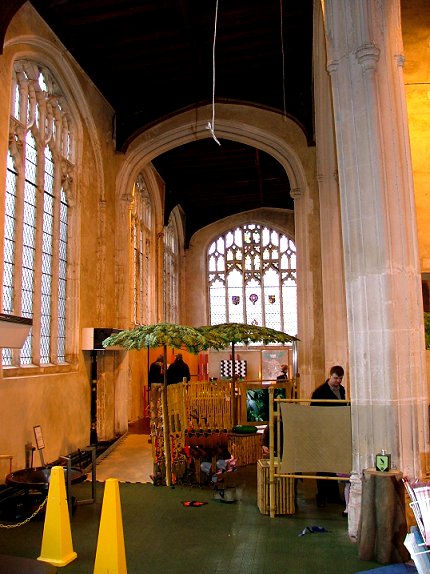
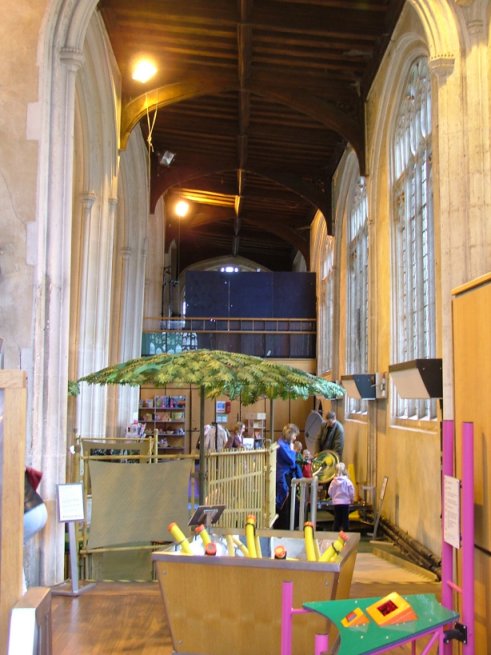
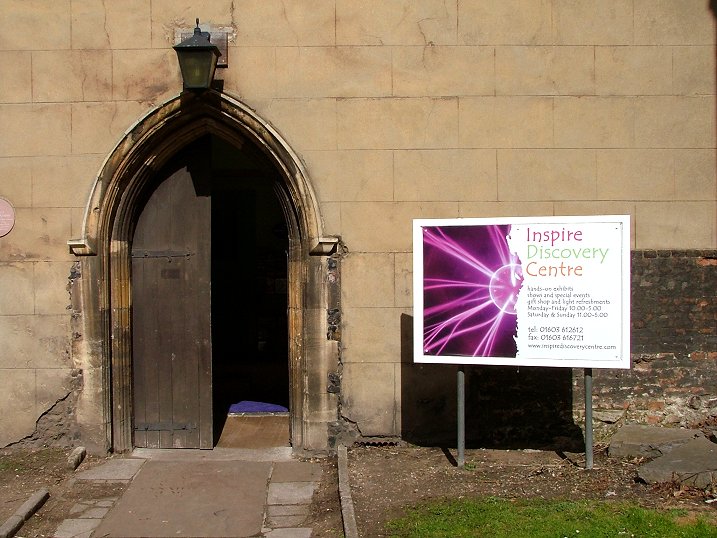
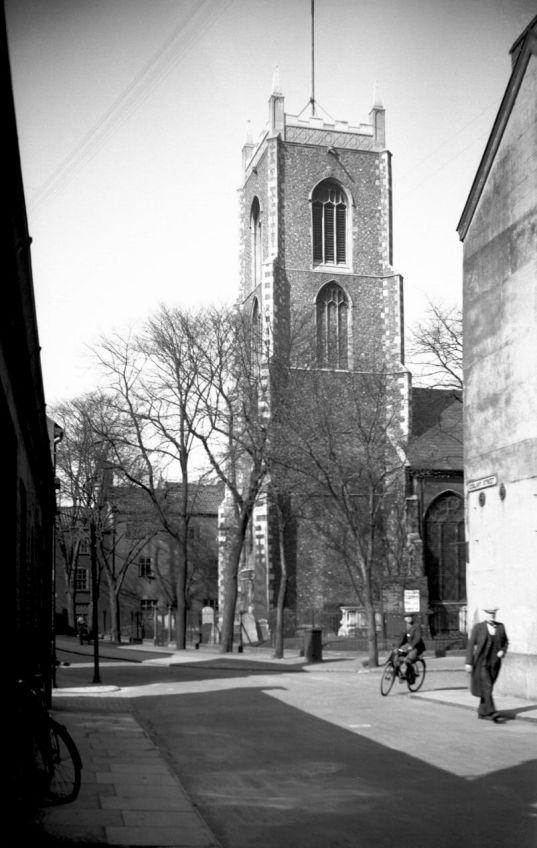
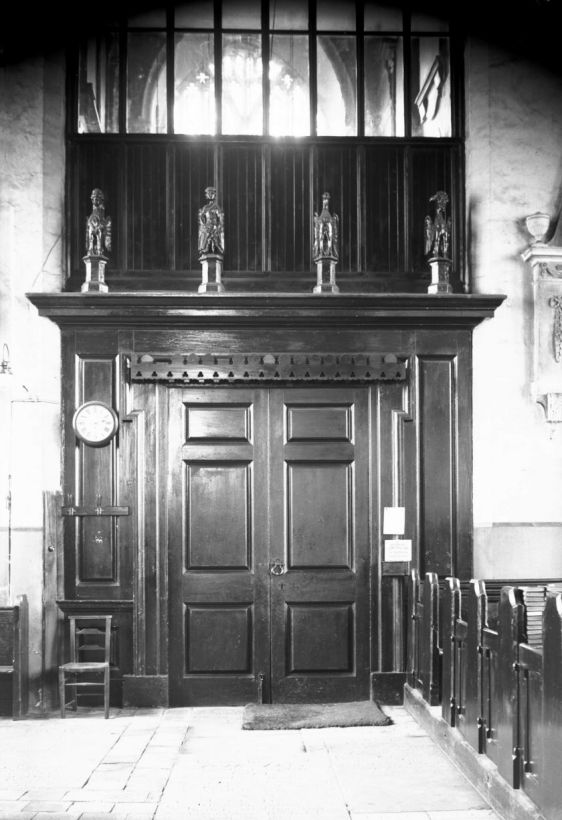
As we approached the church, a little truck, looking a little like an ice cream van, came to a halt beside us, and began playing the Harry Lime theme. It wasn't selling ice creams, but sandwiches and coffee to office workers. St Michael is sometimes abbreviated to St Miles, and is recorded that way in old documents. There were four churches dedicated to St Michael in the city, but St Miles always means this one. George Plunkett came this way on the last day of March 1938, and his photographs show a rather dour, urban Victorianised interior, probably fairly low church for Norwich. Today, the church is the home of the Inspire Discovery Centre, a 'hands-on' science exhibition, and the colourful interior is a dramatic contrast with that of nearly seventy years ago.
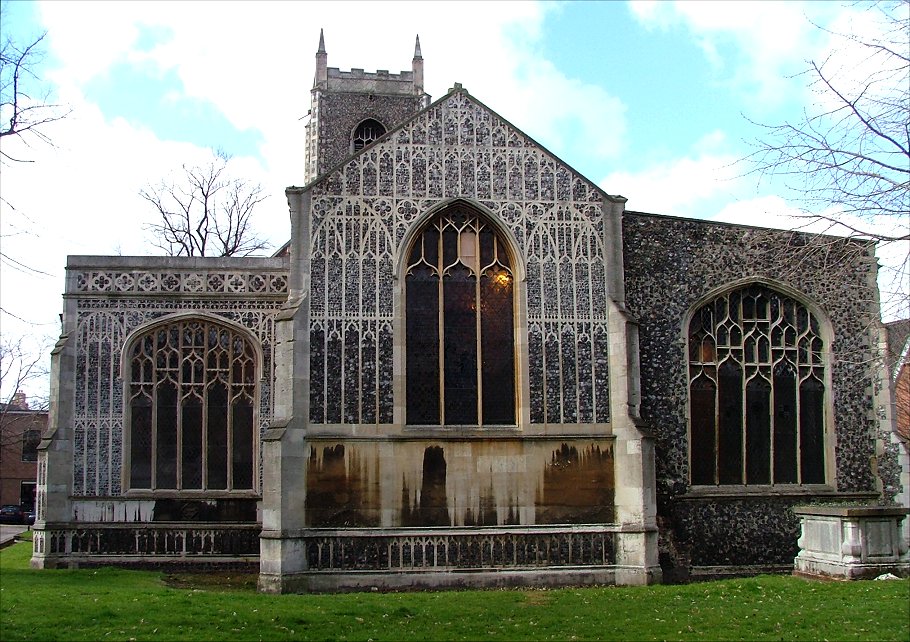
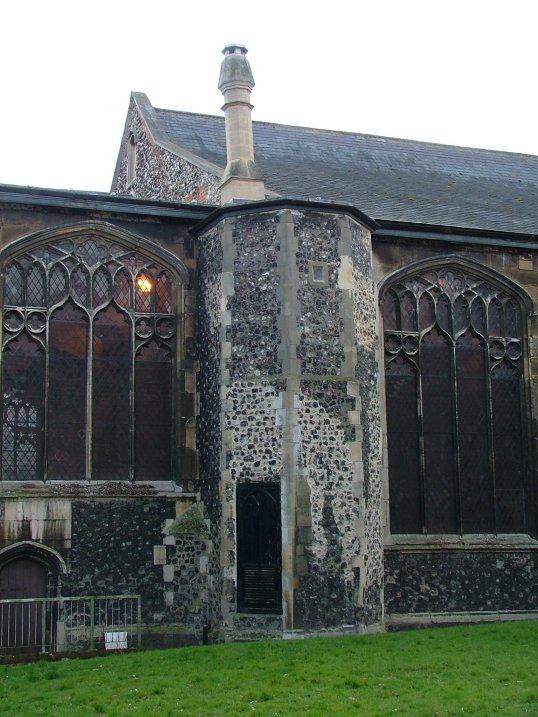
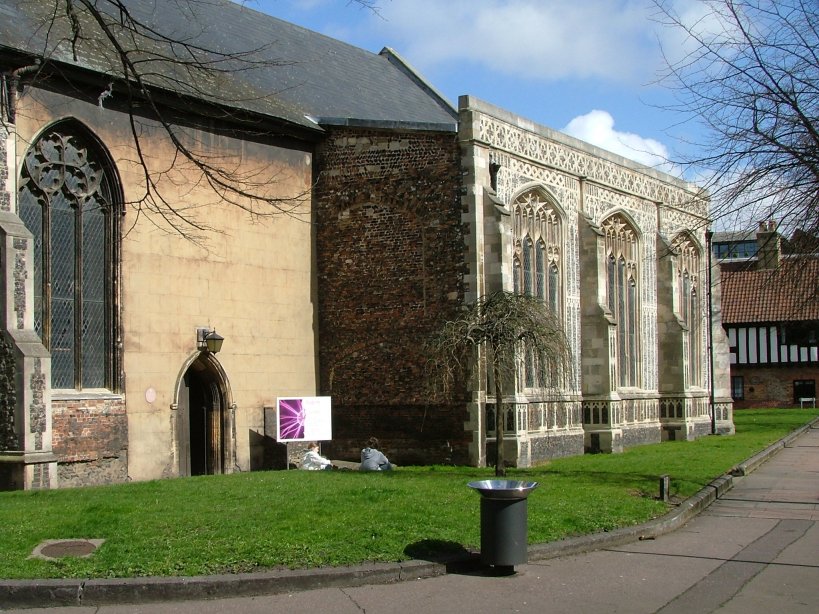
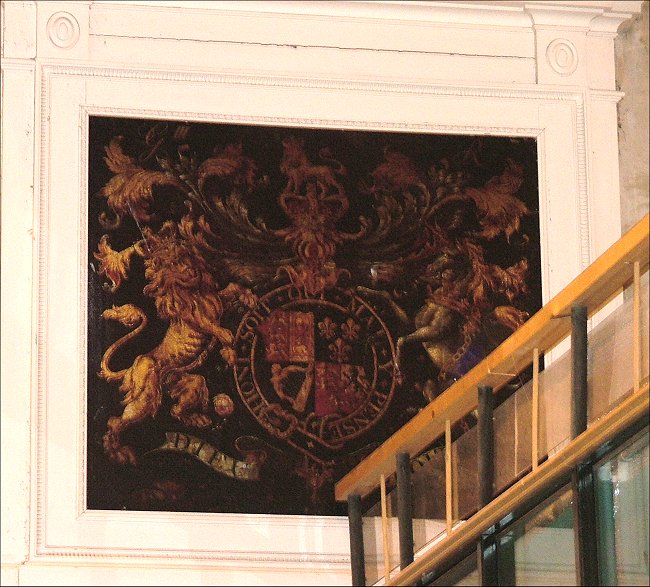
in 1938, the main entrance was from the west, but this is now closed off. The area beneath the tower has been restored as a fine bell-ringing chamber, and these bells still ring out regularly across the city. In the west end of the nave, are the offices, kitchen and toilets of the science centre, forming a kind of balcony which is not accessible by the public, but seems to be used for storage. This structure, in fact, predates Inspire; for several years after redundancy in the 1970s, this building acted as a gymnasium for the Duke Street youth centre, and it was then that the balcony area was built to provide changing rooms. The balcony rail cuts rather awkwardly into the royal arms. You may think that the graveyard is rather short of headstones. This is partly because, until the end of the 19th century, what we now see as a large rectangle of green actually had several buildings in it. The east end of the chancel was blocked off, and the only light came through the aisle windows.
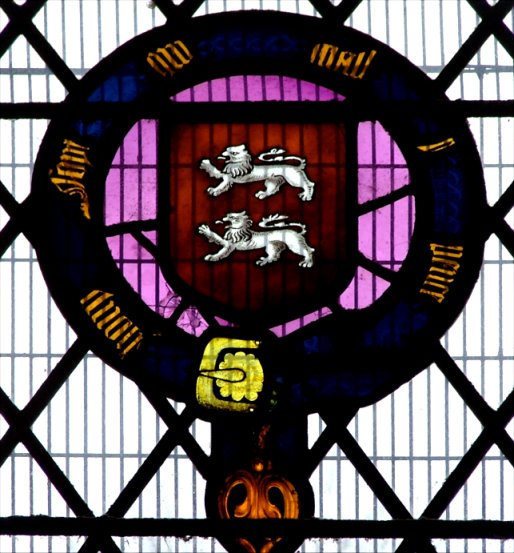
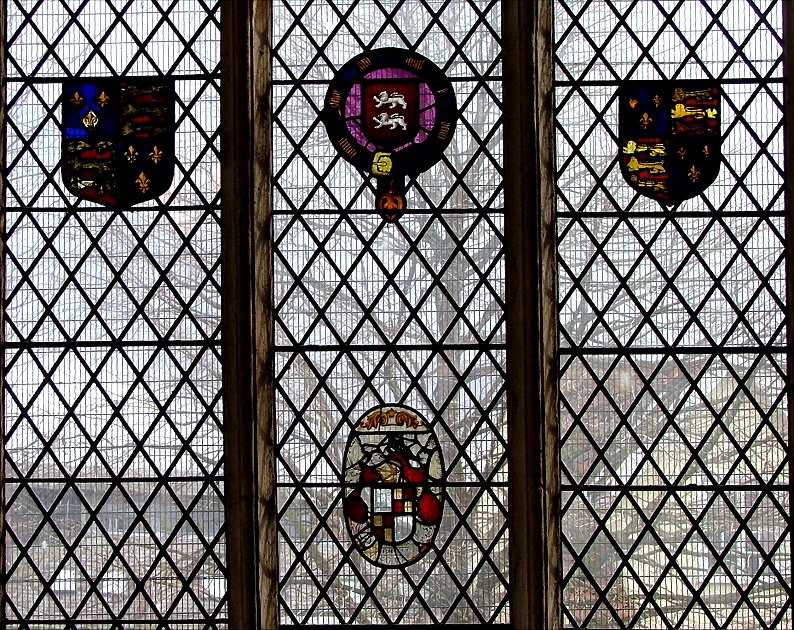
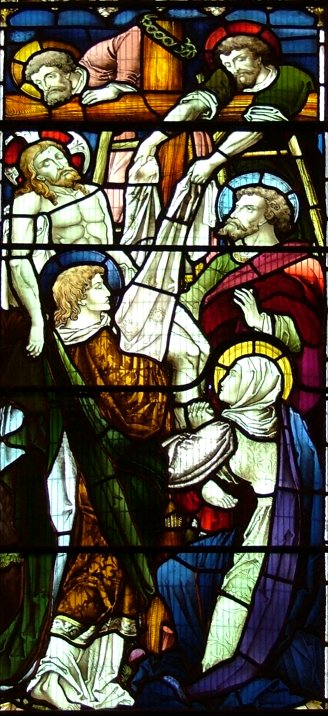
In the early 16th century, money for the elaboration of the church had been bequeathed by members of the Clerk, Thorp and Ramsey families. All the glass of that time has gone now, pretty much; there are a few surviving fragments reset in the east window of the north aisle, mainly canopy work. In the east window of the chancel, the Victorians placed a large deposition from the cross, which looks as if it might be continental work, or perhaps simply another clever Victorian counterfeit.
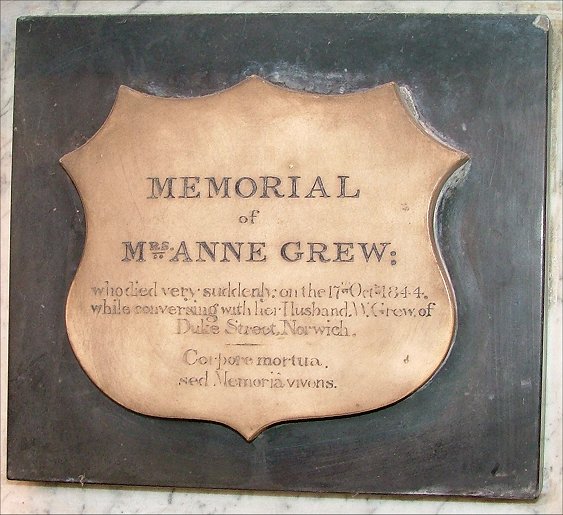
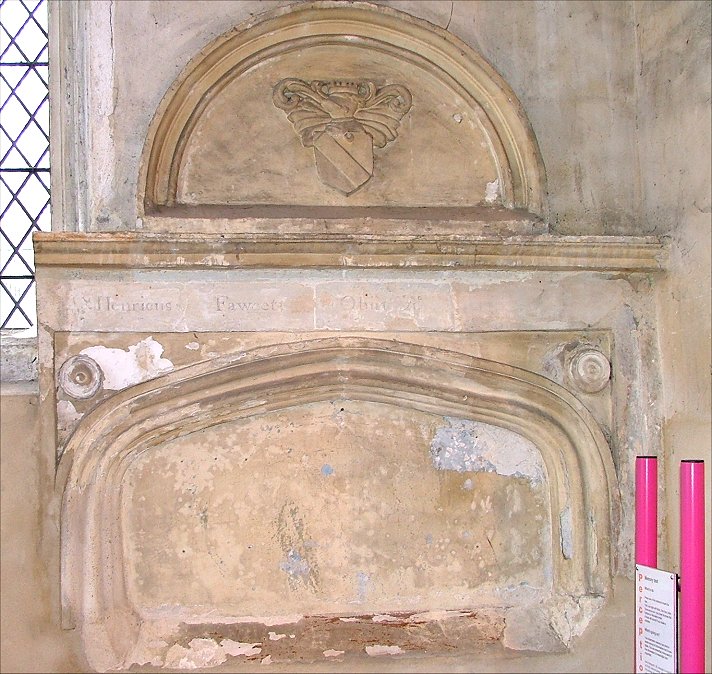
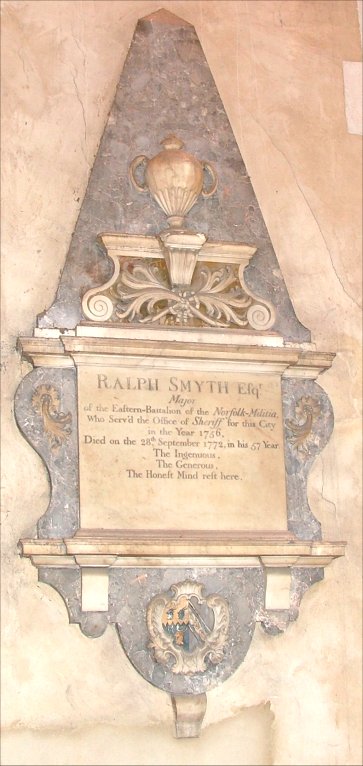
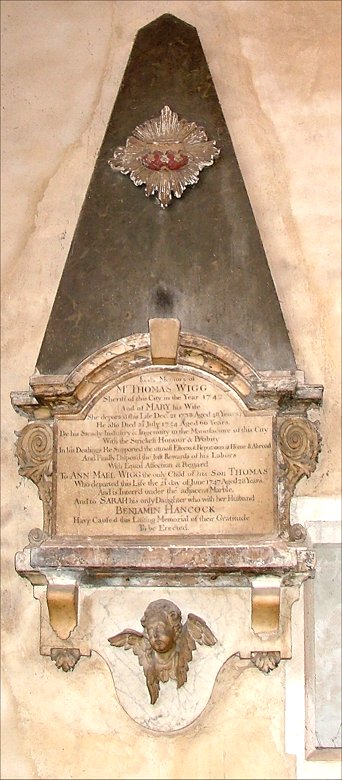
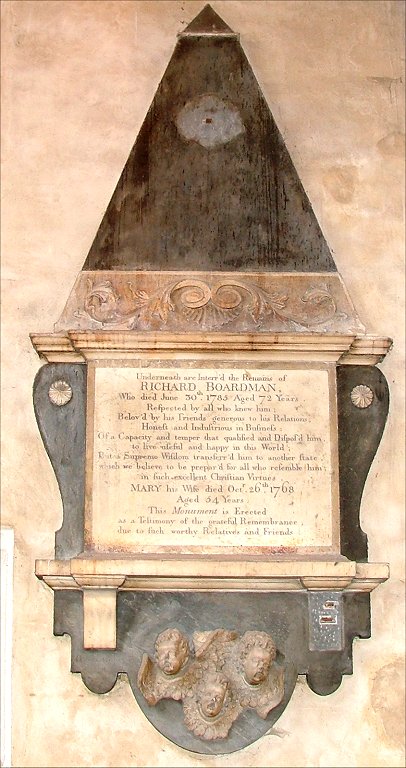
In the east end of the north aisle is what appears to be the remains of a late 16th or early 17th century memorial bearing the name Henry Fawcett. My favourite of all is a little one one on the north side of the chancel arch that reads simply: Memorial of Mrs Anne Grew, who died very suddenly on the 17th October 1844, while conversing with her husband W. Grew, of Duke Street, Norwich - Corpore Mortua, sed Memoria viveris ('her body is dead, but she lives on in the memory').
Simon Knott, April 2006, updated October 2016 |
You can see thousands of George Plunkett's other old photographs of Norwich on the Plunkett website
Amazon commission helps cover the running costs of this site.
home I index I latest I introductions I e-mail I about
this site I glossary
Norwich I ruined churches I desktop backgrounds I round tower churches
links I small
print I www.simonknott.co.uk I www.suffolkchurches.co.uk