home I index I latest I glossary I introductions I e-mail I about this site
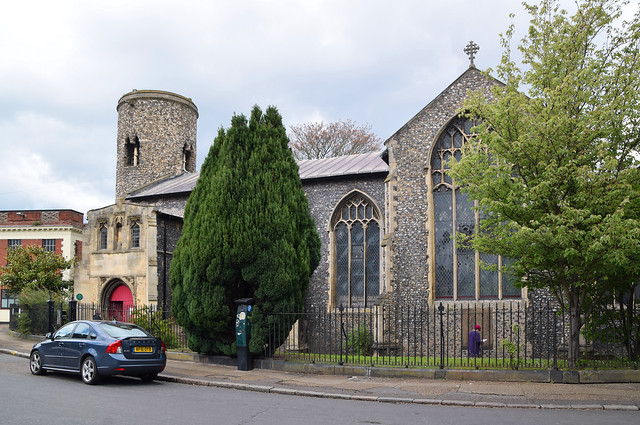
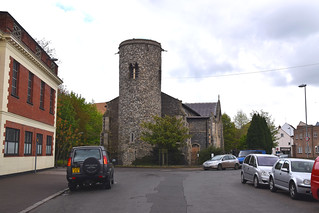
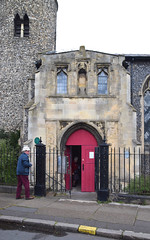
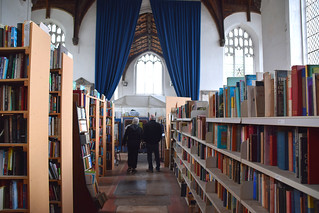
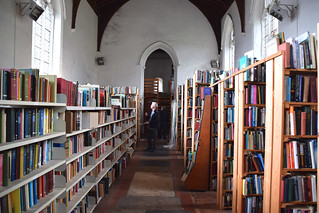
St Mary Coslany, Norwich
Follow these journeys as they happen at Last Of England Twitter.
| St Mary
Coslany, Norwich Although St Mary Coslany is one of the
thirty-six or so surviving medieval parish churches in
the centre of Norwich, it is so old that it actually
predates that time, and was probably the original parish
church of the Anglo-Saxon settlement of Coslany. Coslany
became an area of factories, warehouses and breweries.
The one to the west of the church is the former printing
works of a religious publishing house, and is so big it
also abuts the churchyard of St Martin at Oak. The three
surviving Coslany churches are all redundant today of
course, and St Mary has been redundant for the longest. Most memorable of all is the wooden boss of the Annunciation of the Blessed Virgin above the central crossing. She is faceless, so you might think her the victim of iconoclasm. In fact, she was complete before the Norwich Blitz of 1942 which wrecked the roof here. This is what was left of her when she was pulled out of the rubble. |
Simon Knott, January 2020
Follow these journeys as they happen at Last Of England Twitter.


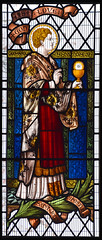
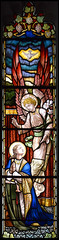
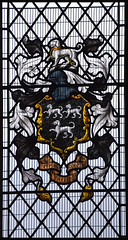
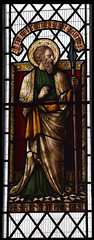



George
Plunkett's photographs of the 1930s, below, show the inside of St
Mary on the eve of the Second World War.
The last photograph shows St Mary Coslany's bells, removed in1937
and lying in wait to serve the brand new church
of St Catherine Mile Cross in north Norwich, where they still
ring out today.
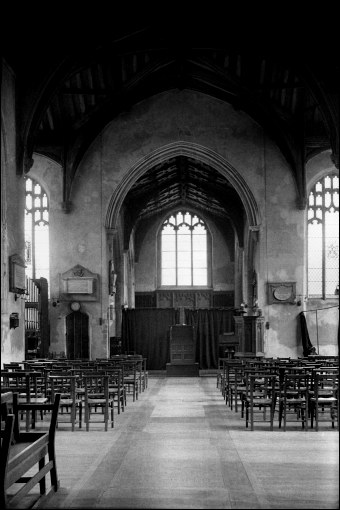
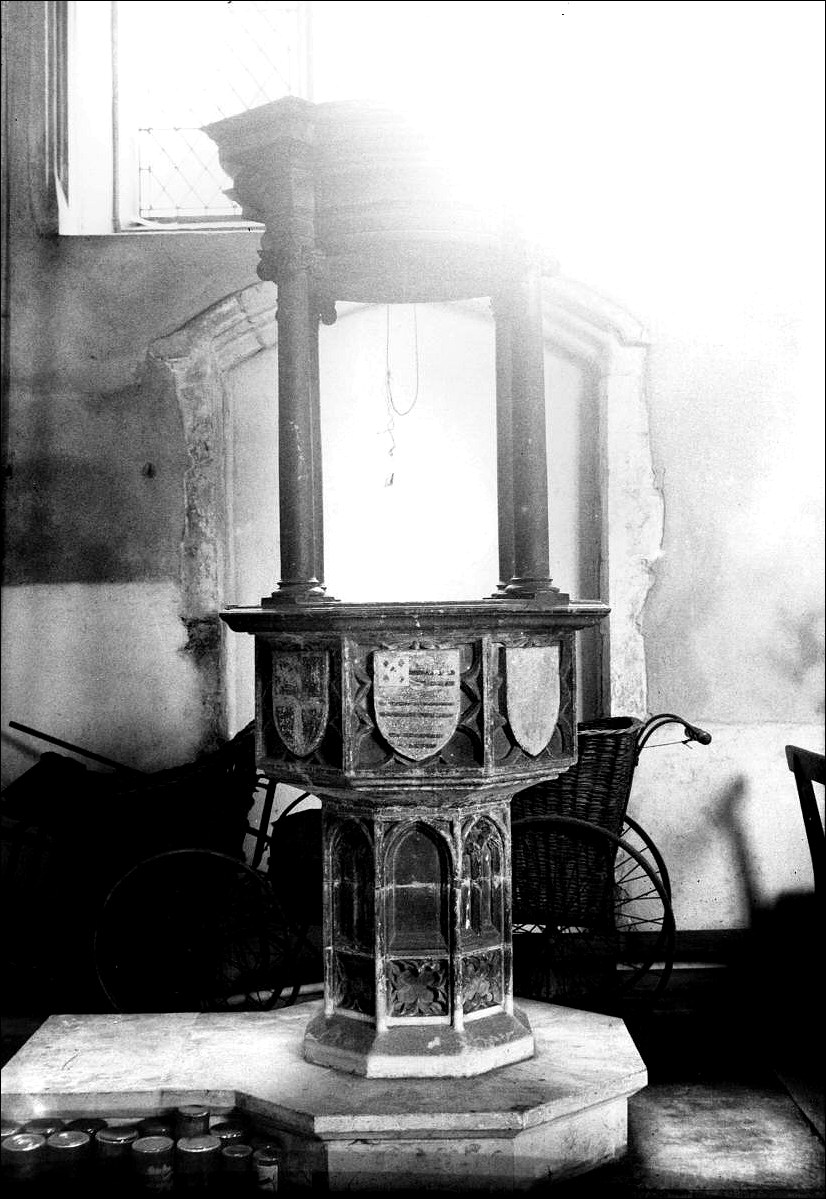
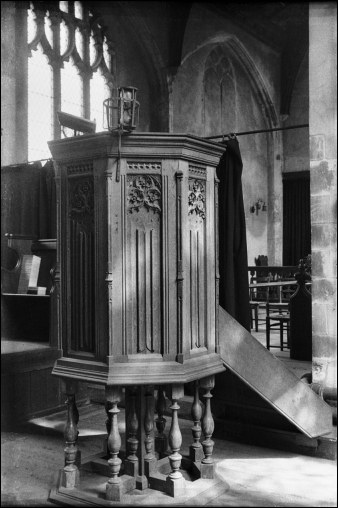
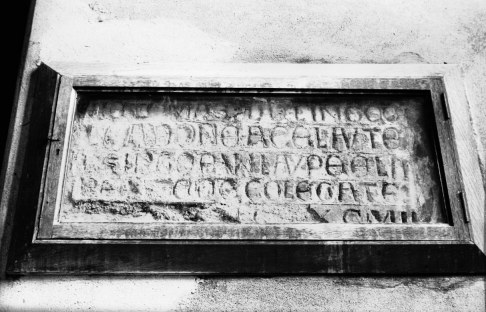
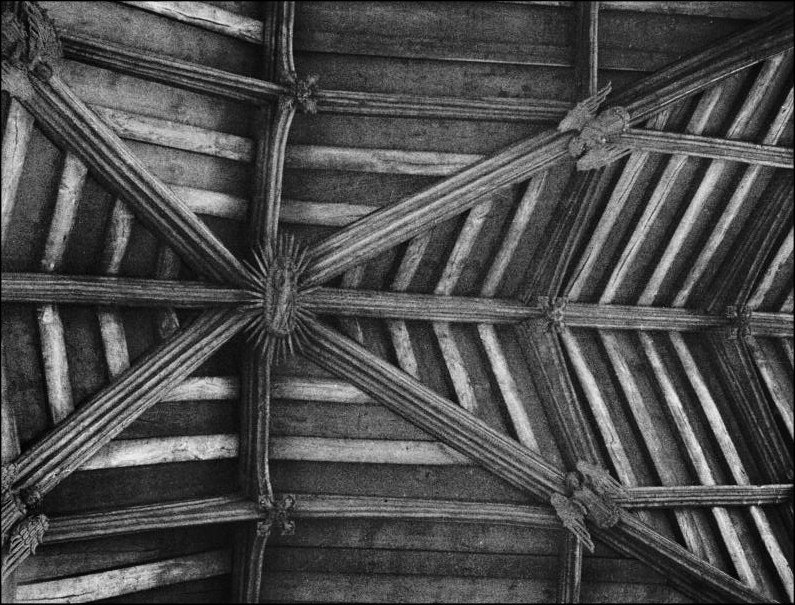
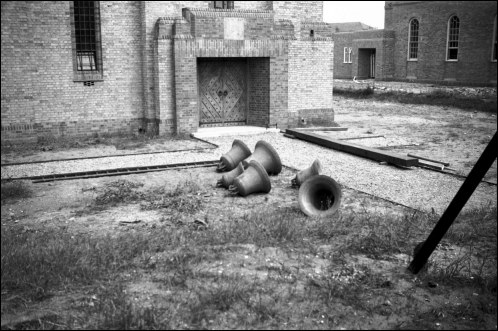
You can see thousands of George Plunkett's other old photographs of Norwich on the Plunkett website
|
|||||||||||||||||||||||||||||||||||||||||||||||||||||||
|
|||||||||||||||||||||||||||||||||||||||||||||||||||||||
home I index I latest I introductions I e-mail I about
this site I glossary
Norwich I ruined churches I desktop backgrounds I round tower churches
links I small
print I www.simonknott.co.uk I www.suffolkchurches.co.uk