home I index I latest I glossary I introductions I e-mail I about this site
St Peter and St Paul, Griston
Read
the captions by hovering over the images, and click on them to
see them enlarged.
St Peter
and St Paul, Griston
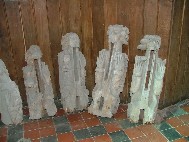
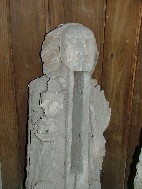
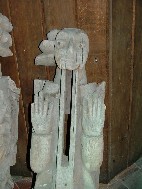
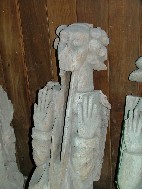
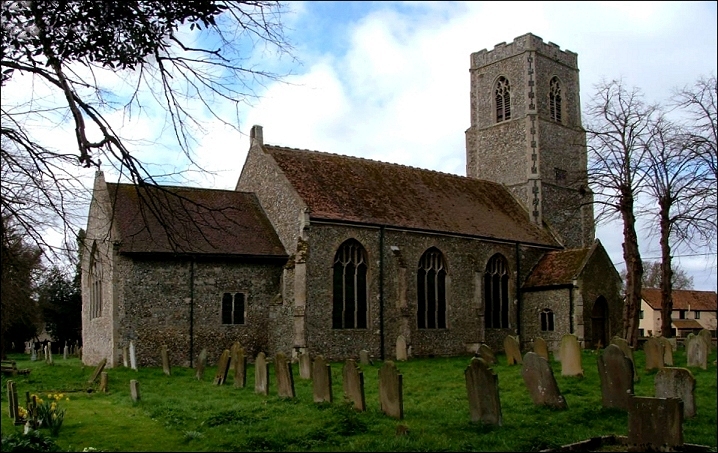
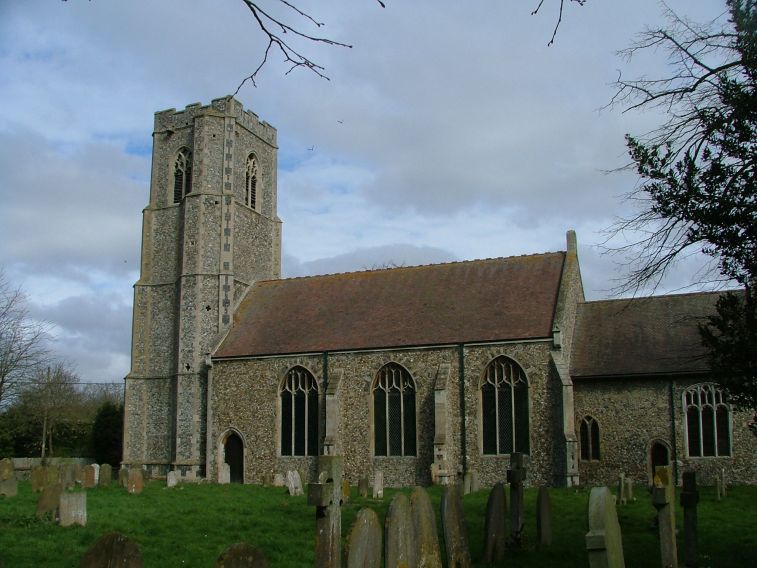
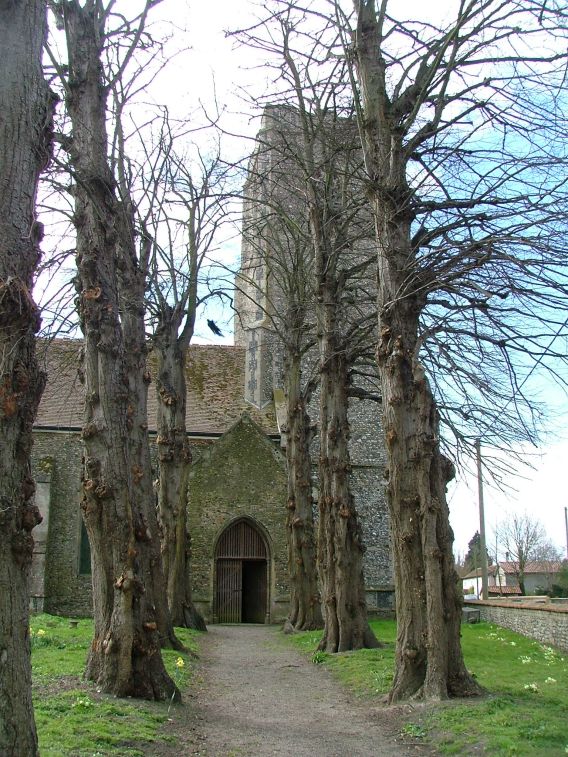
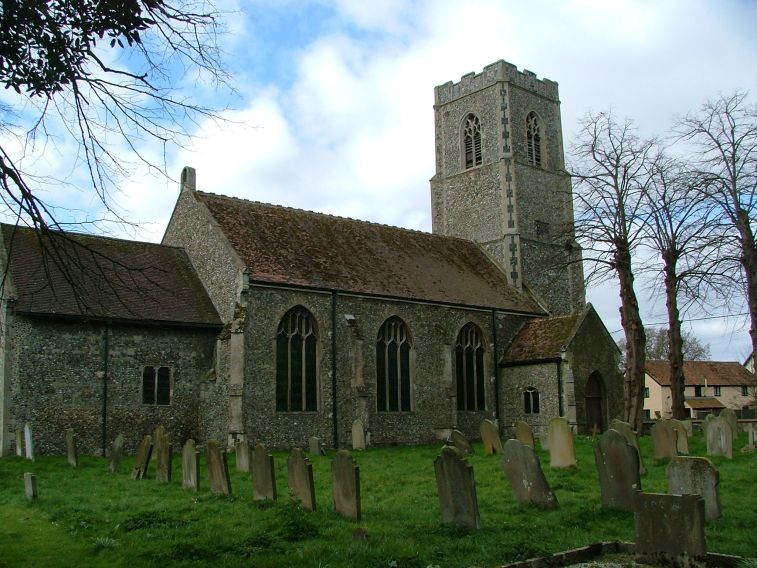
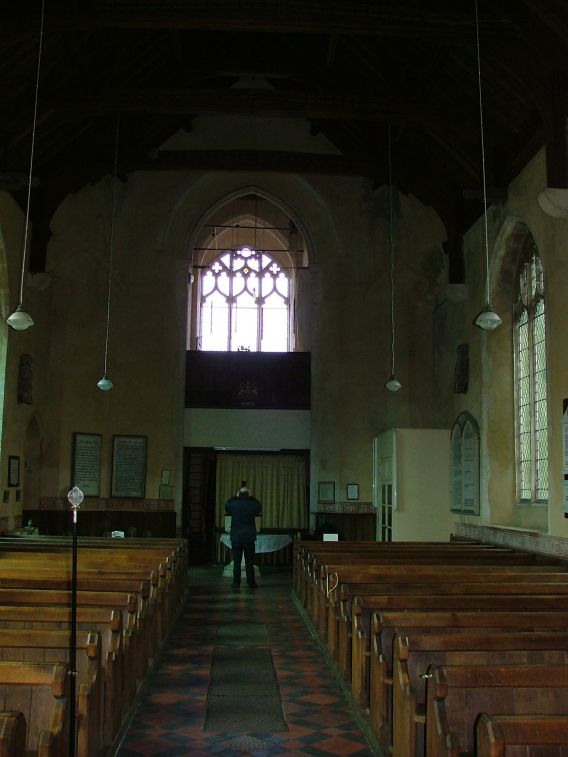
A long avenue of limes leads to the north doorway. Peter had previously found this church locked, and it looked locked today; but, as it would turn out, there was a very good reason for this. As we approached, we found ourselves following a man up the path. He unlocked the door and went in. Hopefully, we followed him into the church. He turned out to be the churchwarden, and here, leaning against the west wall of the nave, were the reasons that the church was currently being kept locked. They are angels, from the 15th century hammerbeam roof which was dismantled and replaced by the Victorians. They retained some of the smaller figures, but the larger ones were consigned to the floor of the belfry, where they were left to rot for more than a century. Just recently, they had been rediscovered, and brought down to the church. They have been examined by experts, and are to be restored at fabulous cost. They are stunning, these ghosts of medieval Norfolk. The curly hair is familiar from contemporary stained glass. Two of them hold symbols, one a bag and the other a chalice and host. The restoration adviser had suggested that the figure holding a bag might be St Matthew, which might mean the chalice actually had a disc with a painting of a dragon on it, making that figure St John. But looking at the photographs since, I think they must all be angels. It is planned to reset them at angles where the hammerbeam ends would have been.
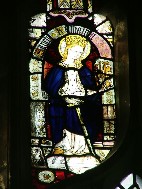
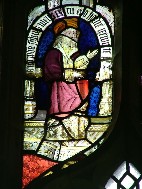
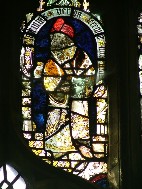
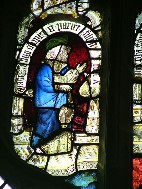
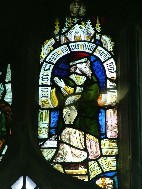
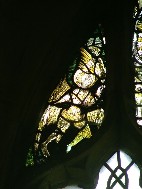
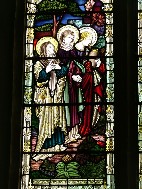
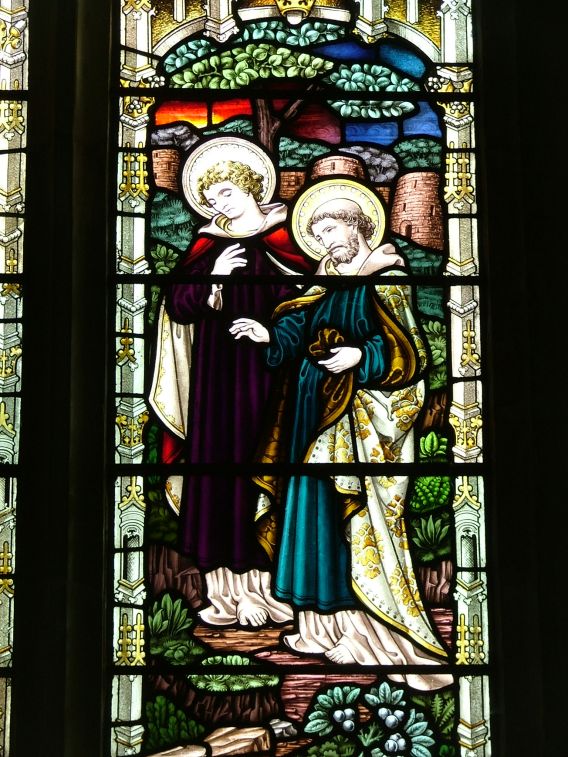
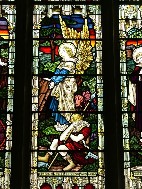
The churchwarden told us that he had assumed, on entering the church for the first time, that it was all of its 19th century restoration, and I must admit that this was also my own first impression. But even without the angels there are some excellent medieval survivals here. Most significant is a group of four Old Testament Patriarchs and Prophets in stained glass, a very rare thing to find. They are David, Jeremiah, Isaiah, and Noah. In medieval times, each of them would have been paired with a Disciple.
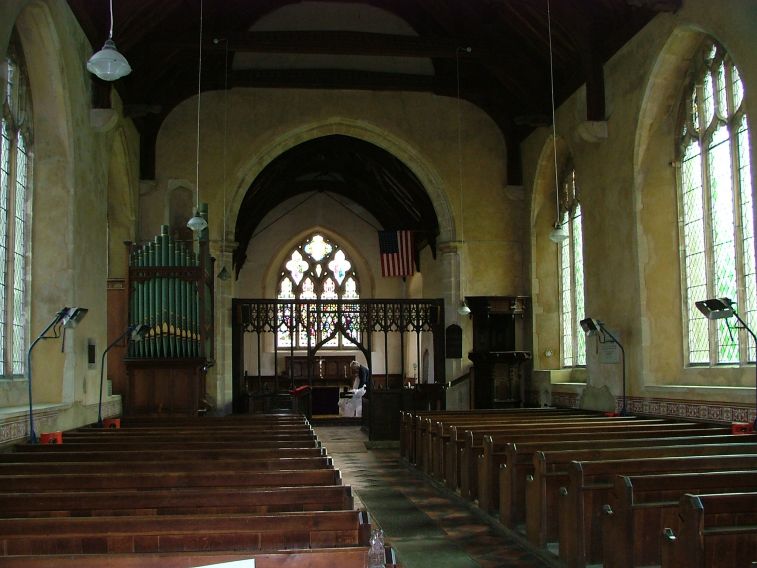
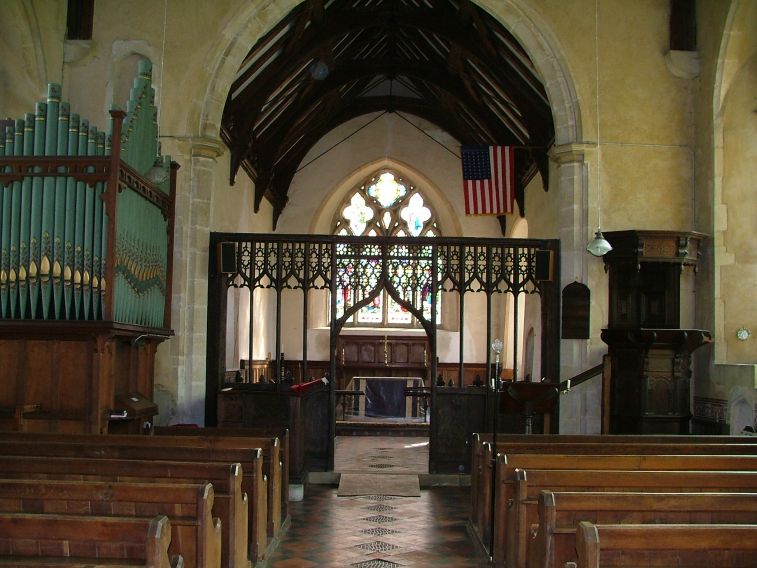
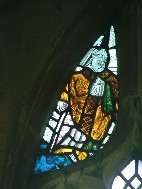
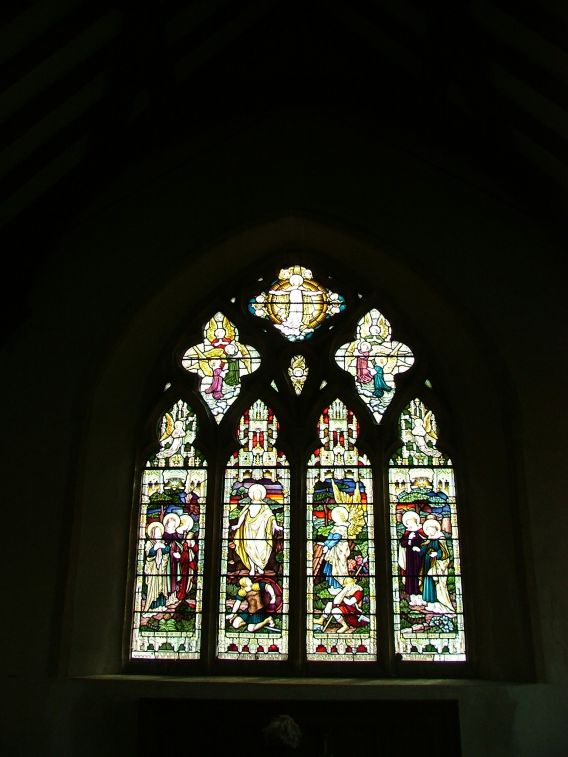
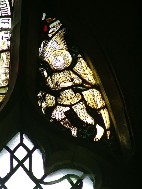
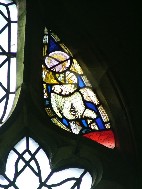
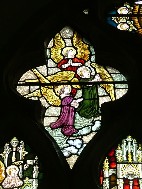
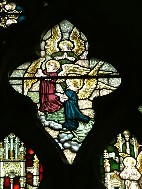
The narrow lights beside them contain censing angels and a bishop, but one of the larger lights contains a 15th century figure of St Catherine with her wheel and sword. Mortlock says that this was reset here at the time of the 1885 restoration, suggesting that the Victorians thought it a more valuable piece than the angels. Mortlock also encourages us to look at the 17th century communion rail, with its unusual indent. As he points out, it is identical to that at Thompson, across the fields, and must be the work of the same hand. This reminds us that such furnishings were usually the work of a local man. Above hangs the Stars and Stripes, a reminder of the wartime use of the local base. Churches have become a powerful symbol in the memory of those who flew from the East Anglian bases. As one old man told me a few years back: "the church tower was the last thing we saw after we'd left the ground, and when we saw it again we knew we'd made it home". As well as rebuilding the roof, the 19th century restoration gave the church a new floor, a sprawl of vitreous tiles, and most of the furnishings. This creates a rather gloomy interior, especially as the windows are not clear, but this creates a good foil for the view east, through a delicate 14th century screen and the contemporary reticulated tracery in the window. On this sunny morning it was a joyful sight.
|
Simon Knott, May 2007
Amazon commission helps cover the running costs of this site.
home I index I latest I introductions I e-mail I about
this site I glossary
Norwich I ruined churches I desktop backgrounds I round tower churches
links I small
print I www.simonknott.co.uk I www.suffolkchurches.co.uk