home I index I latest I glossary I introductions I e-mail I about this site
St Mary, Gissing
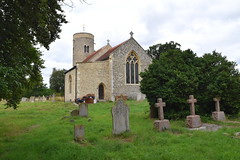
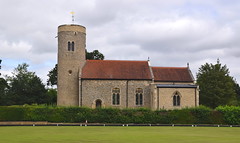
| St Mary,
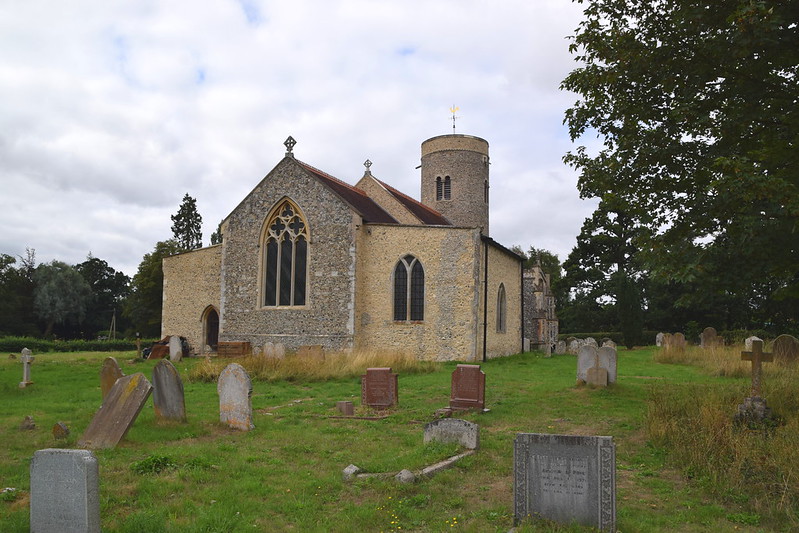
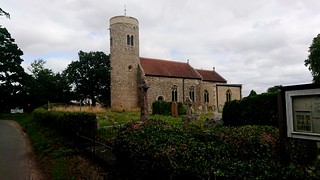
Gissing We get used to quietly mysterious
round-towered churches, tucked away down narrow lanes, in
fields and in the folds of woodlands. But Gissing is a
reminder that round-towered churches can be stately and
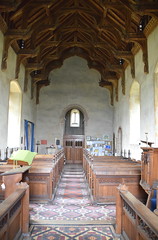
imposing as well. This long church with its chancel
chapels sprawls comfortably in the centre of the village,
lifting a tower that is almost wholly Norman in
character. It is one of the best of its period in
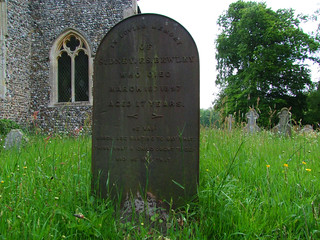
Norfolk. Outside in the churchyard, an anguished inscription on a cast iron grave marker of 1897, probably from a Diss iron foundry, remembers Sydney Bewley, who died at the age of seventeen: He was - Words are wanting to say what. Think what a child ought to be, and he was that. Simon Knott, August 2018 |

Amazon commission helps cover the running costs of this site.
home I index I latest I introductions I e-mail I about
this site I glossary
Norwich I ruined churches I desktop backgrounds I round tower churches
links I small
print I www.simonknott.co.uk I www.suffolkchurches.co.uk